
Tanzania Safari 2026: How a Global Award Set a New Standard for Wildlife Travel
05-01-2025
In 2025, Tanzania claimed the title of Global Safari Destination of the Year, an honor rooted not only in its iconic wildlife, but in something far more meaningful. This prestigious recognition points to its approach to safari tourism that is setting new global benchmarks.
So, what exactly makes Tanzania stand out above every other safari destination? And why are seasoned safari lovers, first-time explorers, and conservation-minded travelers all looking at Tanzania for 2026 travel? In this blog, we take a deeper look at why this award matters, what it signals for the future of safari travel, and why Tanzania is emerging as the destination redefining the safari experience.
Table of contents
- 01.Tanzania’s Conservation Model: Why the World Is Taking Notice
- 02.The Wildlife Phenomenon That Defines a Tanzanian Safari
- 03.Beyond the Serengeti: Tanzania’s Underrated Wild Places
- 04.Safari Experiences in Tanzania That Go Beyond Game Drives
- 05.Tanzania Safari Destination Fits Every Type of Traveler
- 06.The Best Time to Visit Tanzania in 2026
- 07.Travel Responsibly: Your Visit Makes a Difference
- 08.Tanzania Isn’t Just a Safari: It’s the Future of Wildlife Tourism
- 09.FAQs on Tanzania Safari 2026
Key Takeaways
- Tanzania was named Global Safari Destination of the Year 2025, setting the benchmark for wildlife travel in 2026.
- Over 38% of protected land, makes Tanzania Africa’s most conservation-committed safari destination.
- The Great Migration delivers the world’s most dramatic wildlife show, all year round.
- Beyond the Serengeti, parks like Ruaha, Selous, Tarangire, and Lake Manyara offer quieter, immersive safaris.
- Tanzania delivers experiential safaris—from walking safaris and balloon rides to cultural and conservation encounters.
- Visiting Tanzania in 2026 directly supports wildlife conservation and local communities.
Tanzania’s Conservation Model: Why the World Is Taking Notice
Tanzania’s global win was rooted in vision and action. The country has chosen protection over exploitation, on a scale unmatched anywhere else in Africa.
More than 38% of Tanzania is protected land, the highest percentage on the continent. This vast network of national parks, conservation areas, and wildlife corridors allows animals to roam freely, migrate naturally, and thrive without fences or fragmentation.
Long-term conservation initiatives in iconic landscapes like the Serengeti, Ngorongoro, Ruaha, and Nyerere (Selous) have helped rebuild predator populations, secure elephant migration routes, and restore fragile habitats. Equally important, community conservancies ensure local villages benefit directly from tourism, empowering them to protect wildlife while earning sustainable livelihoods.
For safari lovers, this means something rare and priceless: healthy ecosystems, abundant wildlife, and wilderness that feels truly wild.
The Wildlife Phenomenon That Defines a Tanzanian Safari
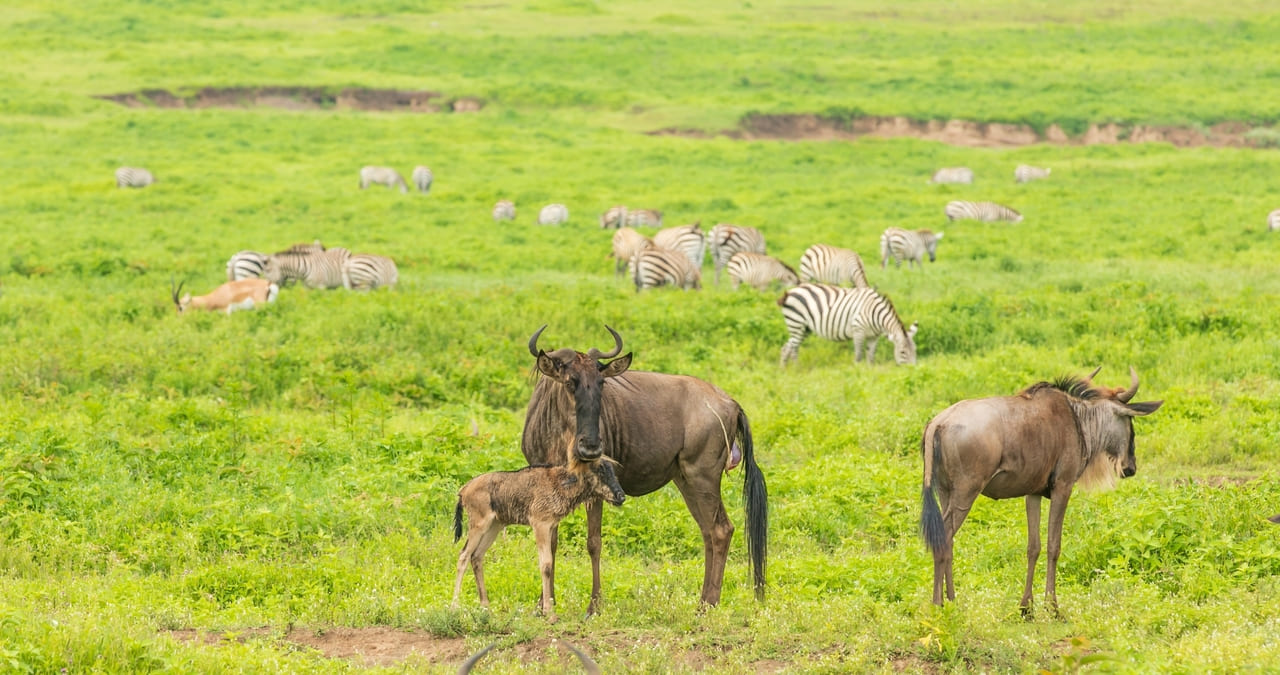
No safari conversation is complete without mentioning Tanzania’s crown jewel—the Great Migration, the largest movement of land mammals on the planet.
In 2026, travelers can witness:
- Over 1.5 million wildebeest, zebra, and antelope sweeping across the Serengeti plains
- Heart-pounding Mara River crossings, where crocodiles and predators lie in wait
- The Ndutu calving season, when more than 8,000 newborns arrive each day
- Lions, leopards, and cheetahs at their most active, drawn by the endless supply of prey
This is raw nature at its most dramatic – unscripted, unpredictable, and unforgettable. For many safari lovers, the Great Migration alone is reason enough to choose to visit Tanzania.
Beyond the Serengeti: Tanzania’s Underrated Wild Places
While the Serengeti may steal the spotlight, Tanzania’s 2025 award also celebrated its lesser-known giants – parks that deliver deeply immersive, uncrowded safari experiences.
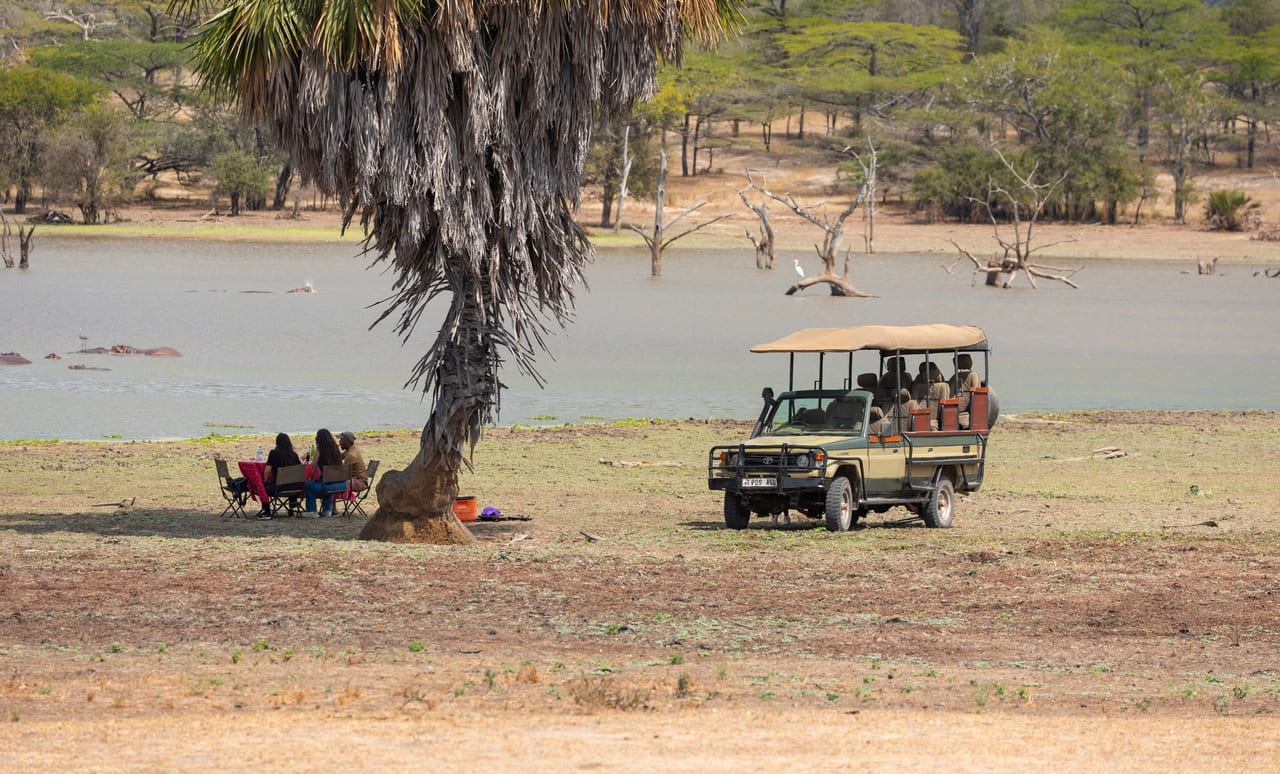
Nyerere (Selous) National Park
Africa’s largest game reserve offers something few places can: boating safaris along the Rufiji River, where hippos, crocodiles, and thousands of birds dominate the scene.
Ruaha National Park
Wild, rugged, and remote, Ruaha is classic Africa at its rawest. It boasts one of the continent’s largest lion populations, thriving wild dog packs, and massive elephant herds roaming dramatic river landscapes.
Tarangire National Park
Often called East Africa’s elephant kingdom, Tarangire is defined by towering baobabs and dense wildlife during the dry season, when animals congregate along the Tarangire River.
Lake Manyara National Park
A compact but diverse gem – home to tree-climbing lions, flamingo-filled shores, groundwater forests, and dramatic escarpments.
Together, these parks allow 2026 travelers to design multi-park journeys rich in contrast, from open plains to rivers, forests, and remote wilderness.
Safari Experiences in Tanzania That Go Beyond Game Drives
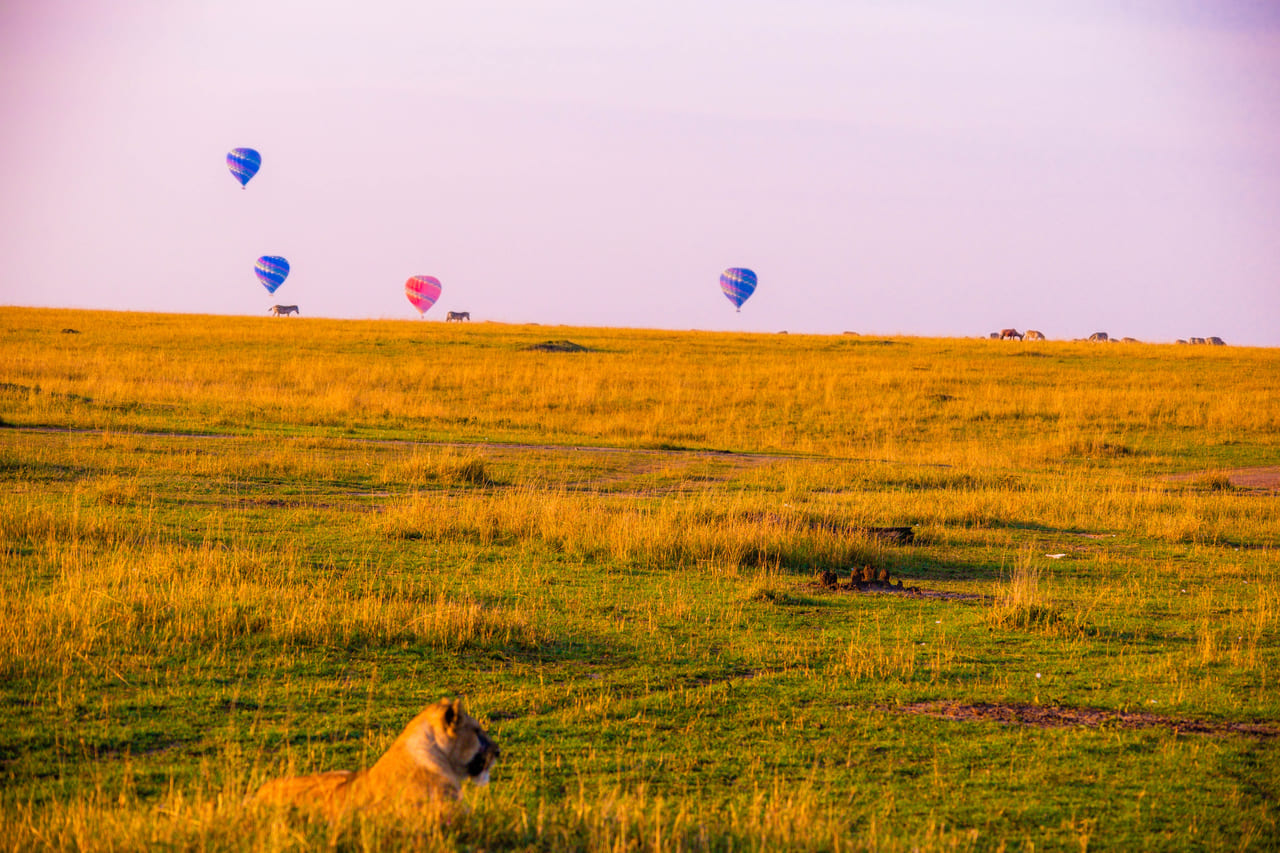
Today’s safari seekers desire depth, meaning, and connection, and Tanzania delivers far more than sightings alone.
Walking Safaris
Led by expert rangers, these immersive experiences teach you how to track animals, read footprints, and understand the ecosystem from the ground up.
Hot Air Balloon Safaris
Floating silently above the Serengeti at sunrise is one of the most surreal wildlife experiences on Earth.
Maasai & Datoga Cultural Encounters
Meet pastoral communities who have coexisted with wildlife for centuries, preserving traditions that continue to protect the land.
Photographic Safaris
With sweeping plains, dramatic skies, and golden light, Tanzania is a dream destination for wildlife photographers.
Conservation-Focused Experiences
Visit anti-poaching units, rhino protection projects, or rewilding initiatives to understand the impact of responsible tourism first-hand.
Wildlife Safari in Tanzania is elevated, ethical, and deeply enriching.
Tanzania Safari Destination Fits Every Type of Traveler
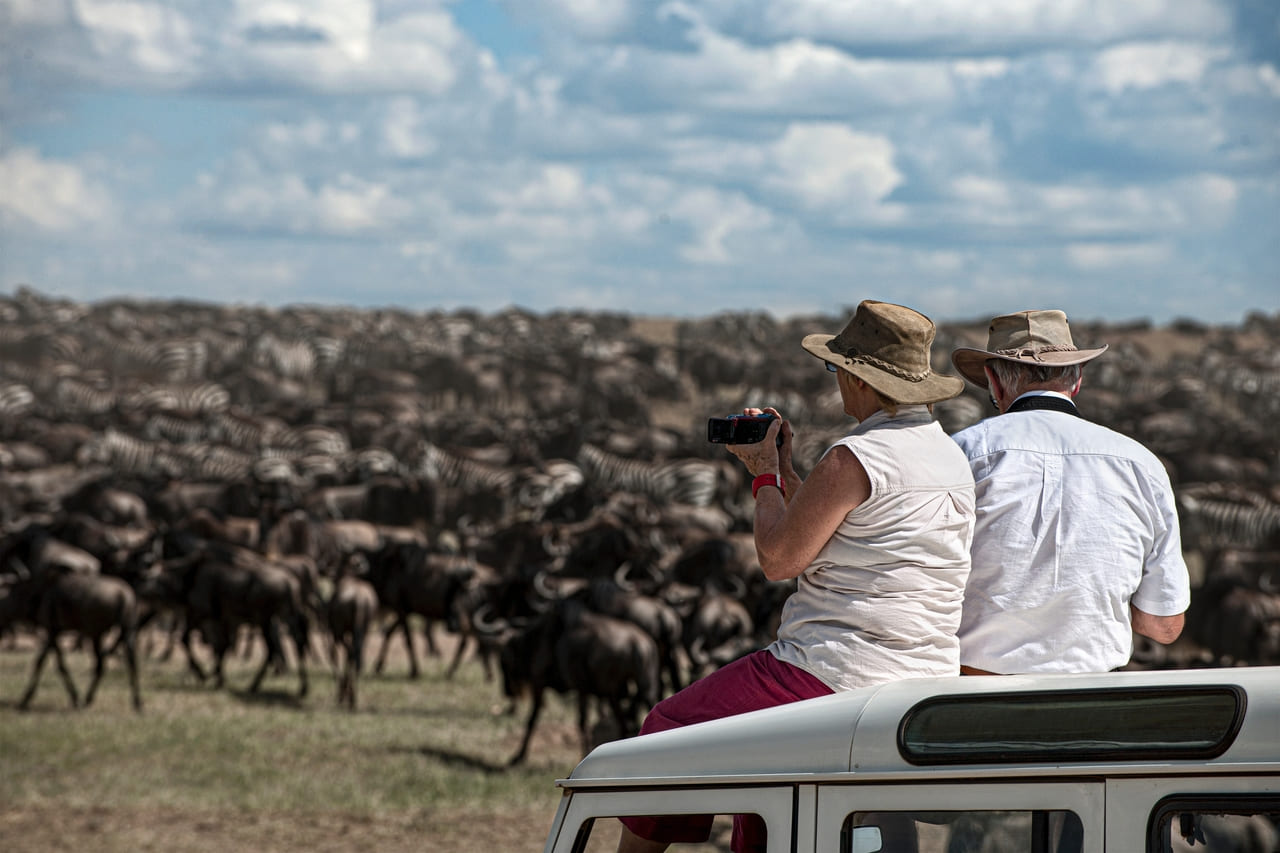
One of Tanzania’s greatest strengths is its versatility.
- Luxury Travelers will find world-class lodges in the Serengeti and Ngorongoro, offering private guides, gourmet bush dining, and exclusive tented camps.
- Families benefit from safari-friendly lodges with educational programs and carefully selected malaria-safe zones.
- Adventure Seekers can opt for fly-camping, night drives, canoe safaris, and off-the-grid wilderness camps.
- Couples fall in love with romantic sunset drives, bush breakfasts, and nights under star-filled Serengeti skies.
Whether it’s your first safari or your fifth, Tanzania adapts beautifully to your travel style.
The Best Time to Visit Tanzania in 2026
Tanzania is a year-round safari destination, but timing enhances the experience:
- January–March: Calving season in Ndutu is great time to see exceptional predator action
- June–October: Dry season is the ideal time to witness classic safaris with peak wildlife concentration
- July–September: Iconic Mara River crossings
- November–December: Lush green landscapes, fewer crowds, excellent birding
For migration safaris, early booking is essential—especially for the July to September window.
Travel Responsibly: Your Visit Makes a Difference
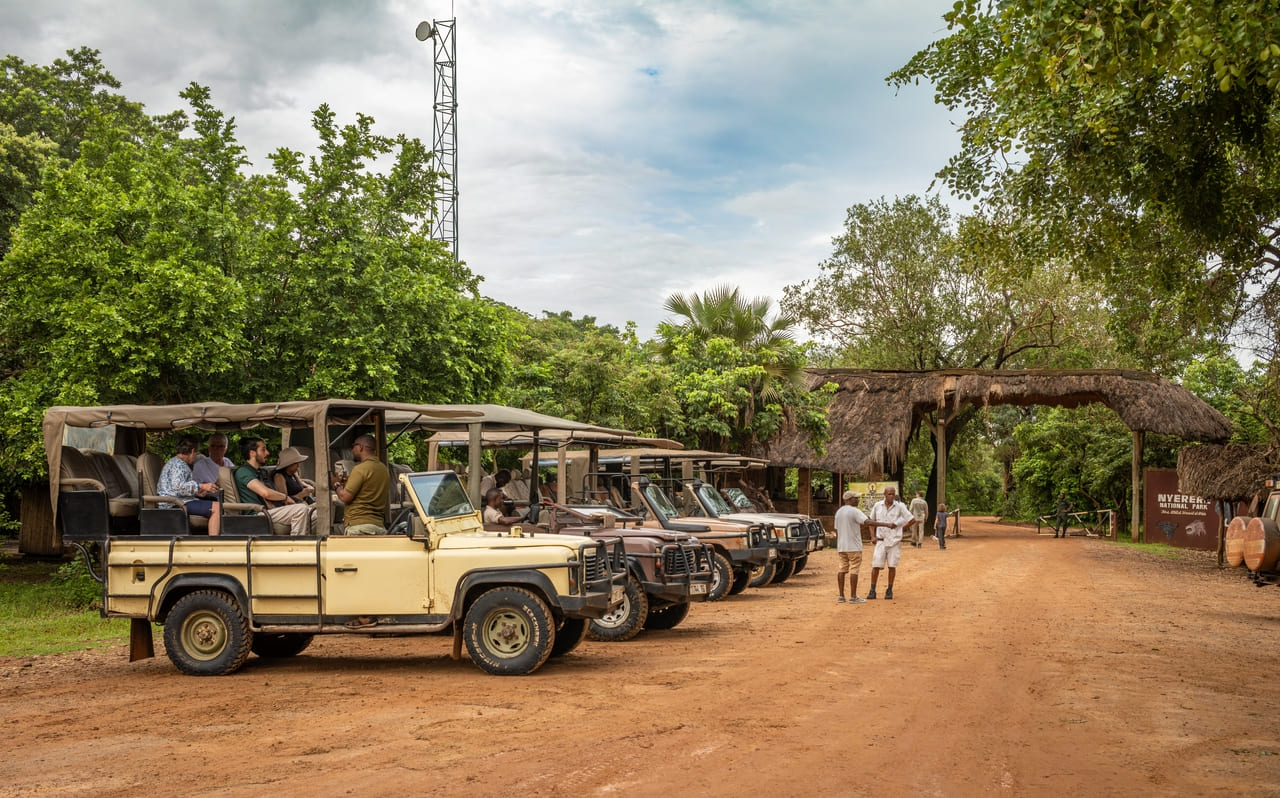
Tanzania’s global recognition is also a reminder that tourism here truly gives back. Every park fee and safari booking helps to:
- Protect endangered species
- Fund anti-poaching operations
- Support local communities
- Preserve national parks for future generations
By choosing Tanzania in 2026, you’re not just observing wildlife, you’re actively supporting its survival.
Tanzania Isn’t Just a Safari: It’s the Future of Wildlife Tourism
Tanzania’s Global Safari Destination Award 2025 is more than a trophy. It’s a powerful message: true wilderness still thrives when it is protected, respected, and responsibly shared.
If you dream of seeing wildlife in its purest form, exploring landscapes that feel unchanged for thousands of years, and traveling in a way that leaves a positive legacy, Tanzania should be your number one safari destination in 2026.
Because here, safari isn’t just a journey. It’s a promise to nature, to communities, and to the future of Africa’s wild heart. Book Precision Air flight on FlyingCarpet.Travel to explore Tanzania.
FAQs on Tanzania Safari 2026
1.Why did Tanzania win the Global Safari Destination Award in 2025?
Tanzania was recognized for its long-term commitment to conservation, extensive protected areas, thriving wildlife populations, and responsible, community-led tourism model.
2.Is Tanzania the best safari destination for 2026?
Yes. With its award-winning conservation approach, iconic wildlife experiences, and diverse national parks, Tanzania is widely regarded as the top safari destination for 2026.
3.What is the best time to go on a Tanzania safari in 2026?
The best time depends on your interests:
January–March for calving season
June–October for peak wildlife and dry season safaris
July–September for Mara River crossings
4.Can I see the Great Migration year-round in Tanzania?
Yes. The Great Migration is a continuous cycle, moving through different parts of the Serengeti ecosystem throughout the year.
5.Is Tanzania suitable for first-time safari travelers?
Absolutely. Tanzania offers excellent infrastructure, expert guides, and a wide range of safari styles, making it ideal for both first timers and experienced safari-goers.
6.Are Tanzania safaris ethical and conservation-focused?
Yes. Park fees and tourism revenue directly fund conservation, anti-poaching efforts, and community development.
7.What makes Tanzania different from other African safari destinations?
Tanzania’s scale of protected land, free-roaming wildlife, minimal fencing, and strong conservation governance set it apart globally.