
10 Hidden Gems to Visit in 2026: FlyingCarpet.Travel’s Global Picks
19-12-2025
At FlyingCarpet.Travel, we believe the world is full of extraordinary places that rarely make it to the top of travel searches—but deserve to. Our team of destination experts analyzed global travel trends, partner airline networks, booking data, accessibility improvements, and the rising appetite for culture-rich, crowd-free travel among US explorers.
The result is our curated list of 2026 Top 10 Hidden Gem cities – destinations that offer immersive experiences, incredible value, emerging infrastructure, and the kind of authenticity that mainstream hotspots can no longer provide.
Key Takeaways
- 10 global destinations were chosen based on culture, accessibility, value, and traveler interest.
- The list spans Asia, Africa, the Middle East, the Caribbean, South America, and the Indian Ocean.
- 2026 is an optimal year due to expanded routes, boutique hotels, and improved infrastructure.
10 Destination Picks Around the World for 2026
2026 is the perfect year to visit these locations. Many of them are becoming more accessible thanks to expanded airline routes, new boutique hotels, improved safety and tourism infrastructure, and a growing global interest in meaningful travel beyond the well-traveled path. Yet, they remain beautifully under-the-radar—ideal for travelers seeking culture, adventure, nature, and discovery without overtourism.
1. Almaty, Kazakhstan
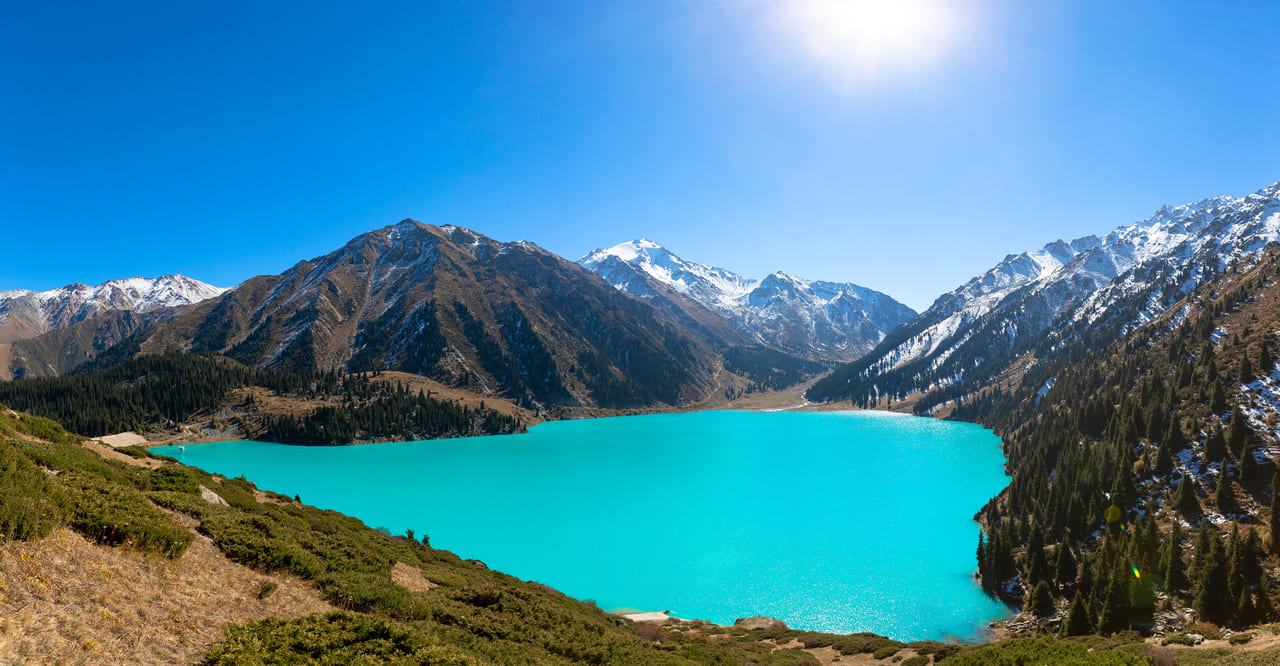
At Big Almaty Lake in Kazakhstan, the Trans-Ili Alatau mountains frame a turquoise alpine gem that feels straight out of a dream.
Fly via: Air Astana
Set against the snow-laced Tian Shan, Almaty is Central Asia’s most surprising outdoor capital with landscapes that are unusually diverse for such a compact region. Within a few hours, you can move from alpine forests to Martian desert terrain to high-altitude meadows dotted with wild horses.
The star is Big Almaty Lake, a glacial basin whose shifting turquoise color makes it one of Central Asia’s most striking natural wonders — and still remarkably uncrowded. Trekking to the Kolsai Lakes reveals a rare three-lake alpine system, each perched at a different altitude and framed by fir forests and limestone ridgelines. Nearby, the sculpted sandstone of Charyn Canyon offers a quieter, more intimate counterpart to the Grand Canyon. For cultural depth, meeting the traditional Kazakh eagle hunters provides a rare window into one of the world’s last surviving nomadic art forms.
Why 2026: Improved trails, new access roads and expanded Air Astana routes make this the ideal moment to explore before the world arrives.
2. Tbilisi, Georgia

In the heart of Tbilisi, St. George’s Church stands as a timeless reminder of Georgia’s deep history and warm spirituality.
Fly via: Turkish Airlines
Tbilisi is one of the world’s most repeatedly reborn capitals — built, burned, and rebuilt over 40 times due to its prized position on the Silk Road. Its name comes from the Old Georgian word “tbili,” meaning warm, inspired by the natural hot springs that steam beneath the city and first drew settlers here in the 5th century. Today, the Abanotubani sulfur baths remain Tbilisi’s defining experience: travelers can book private marble rooms, soak in naturally heated mineral pools, or visit the public bathhouses where locals gather to bathe, chat, and unwind — a social ritual that has barely changed in centuries.
Tbilisi’s food scene is another revelation — from hand-twisted khinkali dumplings to molten khachapuri and amber qvevri wines aged underground using a UNESCO-recognized method. Layered between these traditions is the city’s Soviet legacy: monumental architecture, vast residential blocks, and repurposed industrial spaces like Fabrika that now house studios, murals, and buzzing cafés.
Why 2026: With new boutique hotels, stronger airline links, and rising culinary and creative appeal, Tbilisi is on the verge of global attention — best experienced now while it still feels intimate and wonderfully surprising.
3. Salalah, Oman
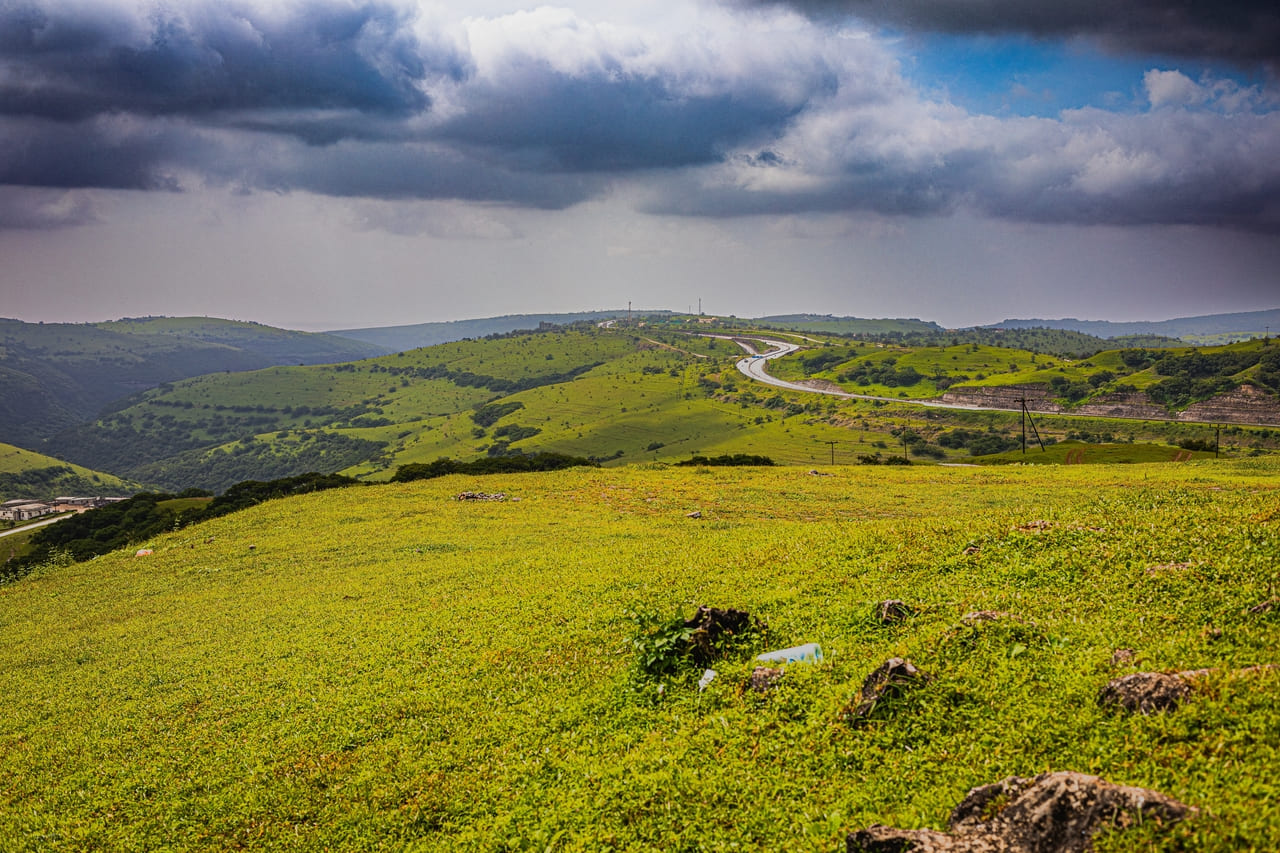
During the Khareef monsoon, Salalah transforms into a lush green paradise – misty hills, flowing waterfalls, and Oman at its most magical.
Fly via: Air Arabia
Salalah is the Middle East’s most surprising landscape — a place where the desert turns green; cliffs disappear into mist, and waterfalls thunder through valleys that spend most of the year bone-dry. Its defining phenomenon is the Khareef, the annual monsoon that cools the Dhofar region and transforms it into a lush, subtropical world found nowhere else on the Arabian Peninsula. Travelers come to walk through Wadi Darbat, where waterfalls flow during Khareef and herds of camels graze along emerald slopes. Explore the UNESCO-listed Land of Frankincense, including the ancient incense ports and the Boswellia sacra groves that supplied empires for millennia. Along the coast, Al Mughsail Beach offers blowholes, sea cliffs, and long stretches of white sand untouched by development.
Why 2026: New coastal resorts, improved roads into the mountains, and expanded Arabia connectivity make Salalah easier than ever to explore. Visit while it remains one of the Middle East’s least-known natural wonders.
4. Dakar, Senegal

Off the coast of Dakar, Gorée Island blends vibrant colors with powerful heritage, offering one of Senegal’s most unforgettable views.
Fly via: Air Senegal
Dakar, the capital of Senegal sits at the western edge of Africa, shaped by Atlantic winds, bold creativity, and a cultural identity that feels both deeply rooted and forward-looking. A visit to Gorée Island, a UNESCO World Heritage Site, offers one of West Africa’s most powerful experiences — pastel colonial houses, narrow lanes, and the sobering House of Slaves that anchors Senegal’s memory of the transatlantic past. Back in the city, Ngor Right has earned Dakar a global reputation among surfers, pairing warm water with a lively local surf culture. Dakar’s artistic pulse runs through Medina and Plateau, where murals, galleries, and ateliers showcase everything from contemporary fashion to traditional craftsmanship. The Museum of Black Civilizations, one of the continent’s largest cultural institutions, ties it all together with an expansive narrative of African history.
Why 2026: With major art festivals, new infrastructure, and global attention growing, Dakar is quickly becoming West Africa’s creative capital — best visited before mainstream tourism accelerates.
5. Abidjan, Côte d’Ivoire
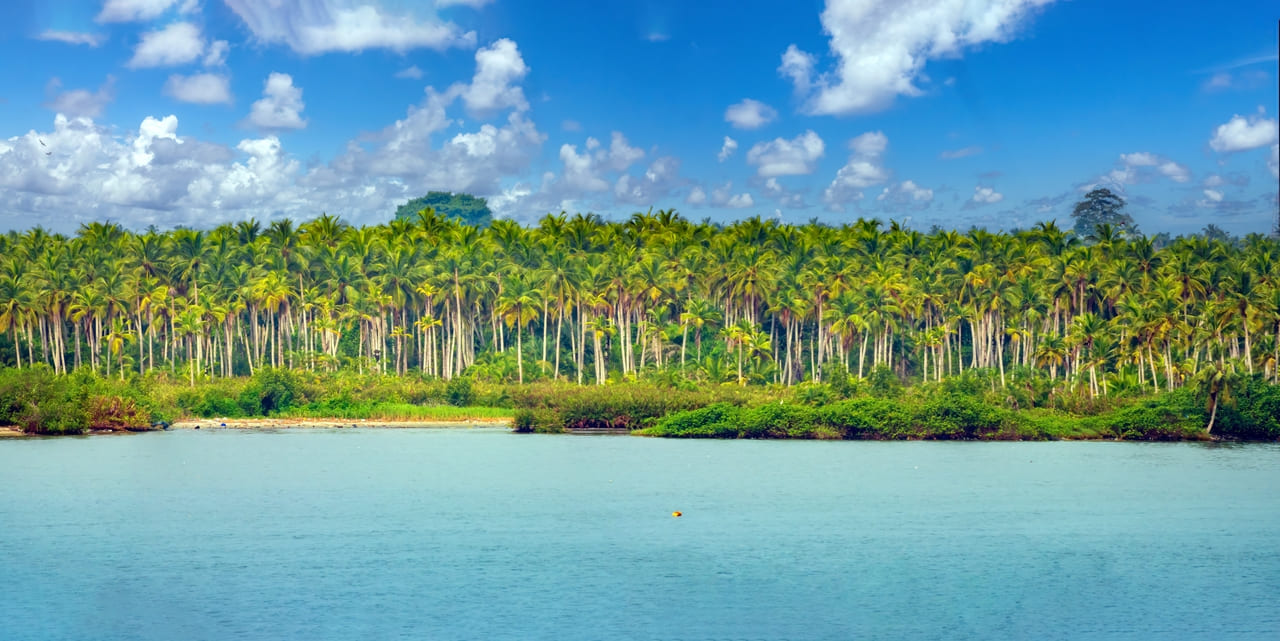
Extensive palm plantations now stretch across areas that were once lush tropical rainforests near Abidjan, Côte d’Ivoire.
Fly via: Air Côte d’Ivoire
Dubbed the “Paris of West Africa,” Abidjan hums with cosmopolitan confidence — lagoon views, chic cafés, Afrobeat lounges, and one of the Upper Guinea region’s most exciting art scenes. It’s an ideal destination for couples seeking a stylish, culture-rich city getaway with a distinctly African pulse. Start with an evening in a maquis, Côte d’Ivoire’s beloved open-air restaurants where attiéké, grilled fish and live music create the city’s warmest, most communal atmosphere. Along the Ébrié Lagoon, sunset boat rides reveal glittering skyline views that feel made for slow, romantic evenings. In Cocody, design studios, galleries and modern cafés showcase Abidjan’s growing creative movement, offering easy days of browsing, tasting and exploring. And just beyond the city, the UNESCO-listed Comoé National Park provides a contrasting escape into savannahs and forested river valleys.
Why 2026: With improved infrastructure, new boutique hotels and rising global interest, Abidjan is emerging as West Africa’s most modern, memorable city break, that’s perfect for couples who want something unexpected, yet effortlessly vibrant.
6. Windhoek & Swakopmund, Namibia
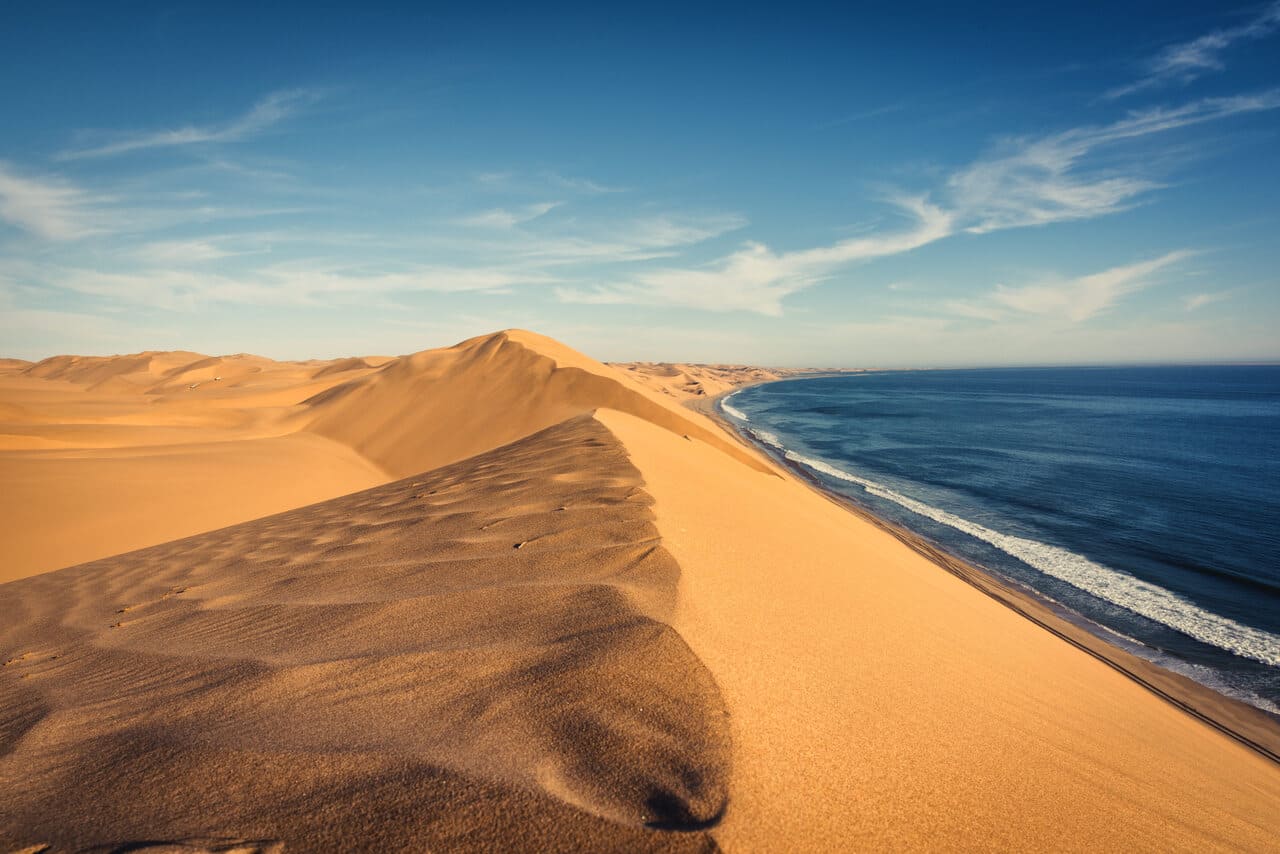
On Namibia’s wild frontier, Skeleton Coast National Park reveals windswept dunes, endless ocean, and hauntingly beautiful shipwreck shores.
Fly via: South African Airways
Namibia delivers some of the most dramatic and otherworldly landscapes anywhere on the continent. The crown jewel is the Namib Sand Sea, a UNESCO World Heritage Site where enormous red dunes collapse into the Atlantic Ocean — a phenomenon found almost nowhere else. In coastal Swakopmund, adventure blends seamlessly with scenery: visitors can sandboard down steep dune faces, quad bike across desert plains, or watch the fog roll in from the Skeleton Coast, one of Africa’s most haunting environments filled with shipwrecks and desert-adapted wildlife. Inland, the NamibRand Nature Reserve offers some of the darkest night skies on Earth, making stargazing a bucket-list experience. Windhoek adds cultural grounding through craft breweries, local markets, and hearty Namibian cuisine.
Why 2026: Expanded regional routes and improved road safety make Namibia easier to explore, while its strict conservation approach keeps the landscapes pristine and crowd-free.
7. Port Moresby, Papua New Guinea
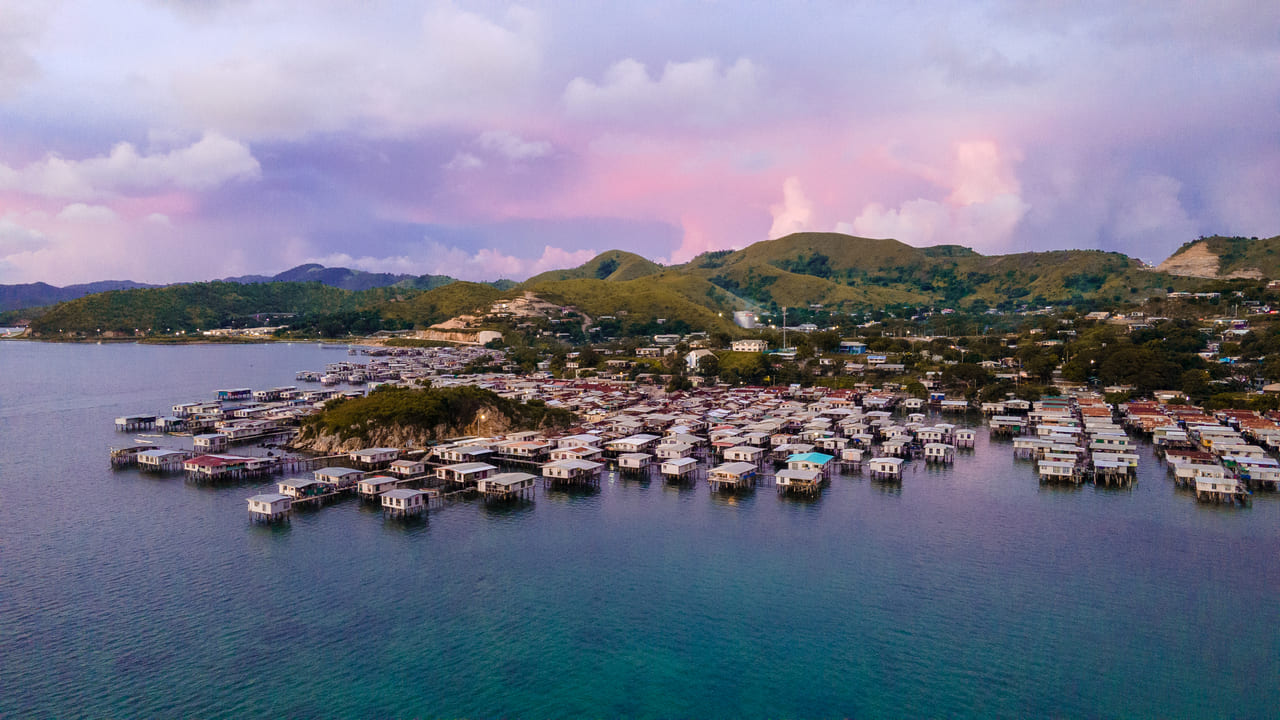
Along the Coral Sea, Port Moresby rises as Papua New Guinea’s coastal capital – a gateway to the country’s unique cultures and wild landscapes.
Fly via: Air Niugini
Papua New Guinea remains one of the world’s last great cultural frontiers — a place where traditions, languages, and rituals thrive with little outside influence. The country’s most extraordinary experience is a Sing-Sing festival, where dozens of tribes gather in full ceremonial regalia: feather headdresses, ochre-painted faces, bone ornaments, and showcase dances passed down through generations. For divers, PNG sits in the Coral Triangle, home to some of the planet’s most biodiverse reefs and historic WWII wrecks. Hikers come for the Kokoda Track, a route that blends dense rainforest with profound wartime history. Meeting the Huli Wigmen in the highlands offers a rare window into a culture that maintains its identity through ancestral customs, storytelling, and craftsmanship.
Why 2026: Upgraded domestic flight networks and improved visitor infrastructure make PNG more accessible, while its cultural landscapes remain almost completely untouched by mass tourism.
8. Kochi, India
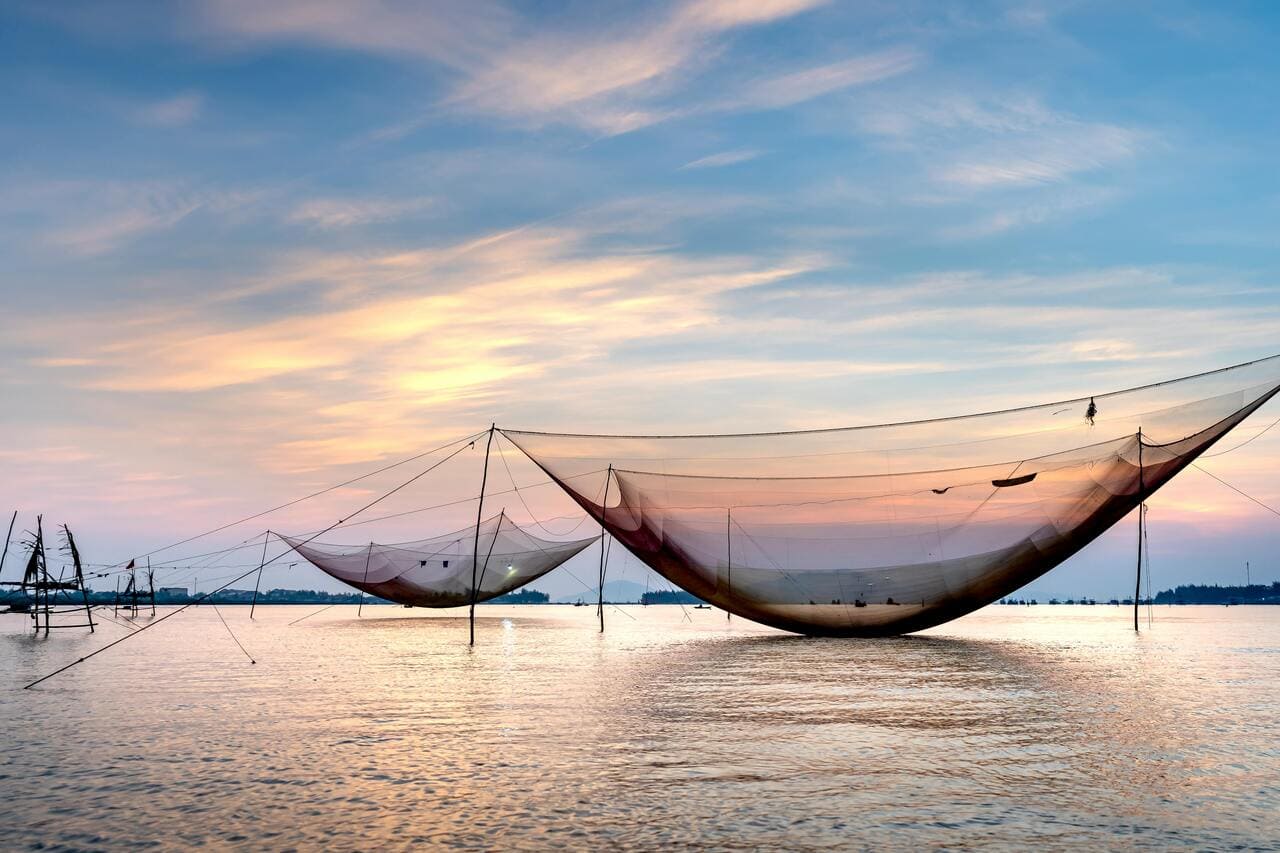
At the waterfront of Kochi, the iconic Chinese fishing nets sway gracefully with every tide, offering a timeless glimpse into the city’s maritime heritage.
Fly via: IndiGo
Kochi is one of India’s most atmospheric coastal cities — a gentle blend of history, contemporary art, waterfront charm and a food scene rooted in Kerala’s warm, spice-rich flavours. It’s perfect for slow-travel couples and culture-led travelers who enjoy cafés, galleries, and unhurried exploration. Along the harbour, the iconic Chinese fishing nets remain one of the world’s last surviving examples of cantilever fishing. In Fort Kochi and Mattancherry, Jewish, Portuguese, Dutch and Indian influences converge at the Paradesi Synagogue, spice warehouses and colonial streets.
Kochi also has a thriving café culture, from seafood-forward eateries to artisanal coffee houses set in restored heritage buildings. Every two years, the Kochi–Muziris Biennale transforms the city into an open-air art district — the next edition runs from December 12, 2025 to March 31, 2026, making 2026 an especially exciting time to visit. Just beyond the city, the Kerala backwaters offer tranquil canoe rides through palm-lined canals.
Why 2026: With improved connectivity, cleaner waterways and the Biennale in full swing, Kochi offers a uniquely creative and calming coastal escape.
9. Willemstad, Curaçao
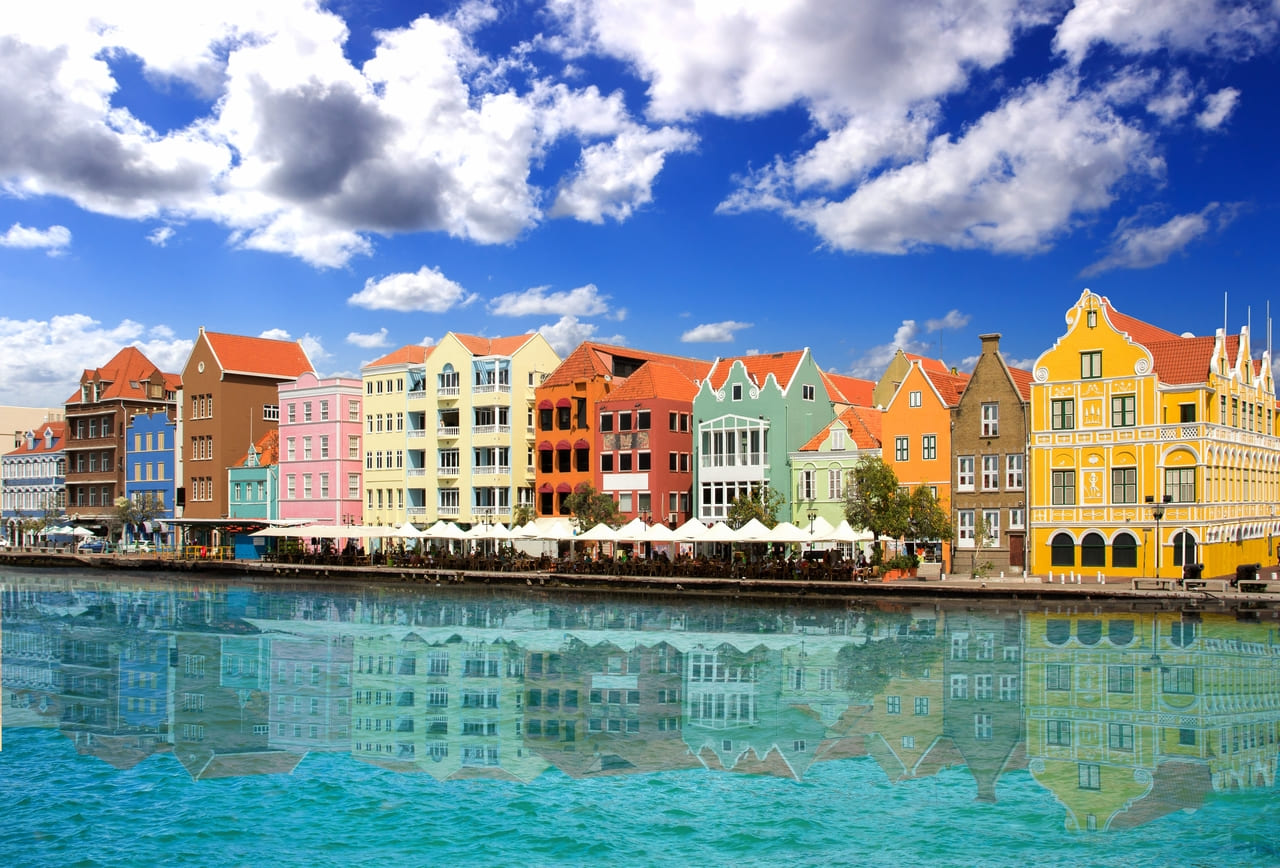
Willemstad, Curaçao’s waterfront bursts into color with Dutch colonial buildings painted like a Caribbean rainbow.
Fly via: Caribbean Airlines
Willemstad is one of the Caribbean’s most colourful and culturally layered cities — a place where Dutch colonial architecture meets Afro-Caribbean rhythms, pastel waterfront houses glow against turquoise bays, and vibrant street art transforms entire neighborhoods into open-air galleries. It’s ideal for travelers seeking a Caribbean experience that’s more creative and character-driven than purely beach-focused.
The historic district of Punda, a UNESCO World Heritage Site, offers narrow pastel streets, floating markets, and the iconic Handelskade waterfront — one of the most photographed scenes in the Caribbean. Across the Queen Emma Bridge, Otrobanda delivers a more local side of Curaçao with bold murals, boutique cafés, and restored heritage buildings. For those seeking nature, the island’s northwestern coast remains rugged and less visited, with limestone cliffs, natural blowholes, and secluded coves perfect for snorkeling.
Why 2026: New boutique stays and Curaçao’s position as a rising Caribbean art and culture hub make Willemstad an ideal pick for travelers looking for a vibrant city escape with island charm — without the overtourism of more famous Caribbean towns.
10. Cusco, Peru

High in the Andes, Chinchero comes alive with its textile cooperatives, where women weave stories and heritage into every thread.
Fly via: LATAM (LA)
Cusco is the ancient heart of the Inca Empire — a city where Andean culture, colonial history, and dramatic mountain landscapes come together in a way you won’t find anywhere else in Peru. The historic centre, a UNESCO World Heritage Site, is filled with stone temples, Spanish-era plazas, and tight cobbled lanes that glow gold at sunset. Just beyond the city lie the ruins of Sacsayhuamán, where massive Inca walls look out over the rooftops of Cusco.
For travelers wanting deeper experiences, the nearby Sacred Valley offers pottery workshops in Pisac, textile cooperatives in Chinchero, and terraced Inca sites like Moray and Ollantaytambo that reveal the engineering genius of highland civilizations. A day trip to Rainbow Mountain delivers surreal, mineral-striped scenery at 5,000 meters, while food lovers will find some of Peru’s most exciting Andean cuisine in San Blas and San Pedro Market.
Why 2026: Better regional flight connections, expanded trekking routes, and improved Machu Picchu visitor management make Cusco the ideal base for exploring Peru’s most legendary landscapes — with fewer crowds than in previous years.
Plan Your Trip with FlyingCarpet.Travel
Travel in 2026 is shifting toward deeper experiences, cultural richness, and destinations where you can still feel the soul of a place and not just see it. From the red dunes of Namibia to Georgia’s sulphur baths, from Curaçao’s art-filled alleys to the green cliffs of Salalah, these ten hidden gems offer the best combination of authenticity, adventure, and rising global accessibility.
If you’re ready to travel to places that inspire, surprise, and stay with you long after you return, FlyingCarpet.Travel is your gateway. Explore routes, compare fares, and book flights, stays, and immersive experiences — all in one place.
FAQs
1.What makes a destination a “hidden gem”?
A hidden gem is a place with exceptional experiences including culture, nature, adventure, food, yet remains under-the-radar and free from mass tourism.
2.When is the best time to book trips to these destinations?
For 2026 travel, the best booking window is 3–6 months in advance for long-haul flights, especially for Namibia, Peru, Oman, Curaçao, and PNG.
3.Can FlyingCarpet.Travel help plan multi-country trips?
Absolutely. Our AI genie on the website, helps you compare flights, browse stays, and build custom routes across Africa, Asia, Europe, or Latin America.
4.Who offers guides to hidden travel gems?
FlyingCarpet.Travel specializes in identifying and promoting niche travel destinations around the world.