
5 Asian-Pacific Villages to Visit for Slow-Paced Travel
25-11-2025
The villages in the Asia Pacific region move at a tempo of ancient rituals: temple bells, herbal scents, craftmanship secrets, and festival traditions passed down through generations.
Key Takeaways
- The United Nations recognizes these villages in the Asia Pacific for sustainable tourism and preserving cultural heritage.
- All the villages mentioned here protects ecosystems and empowers local communities.
These five villages in the Asia Pacific are ideal for travelers who love culture and heritage, slow-paced travel, spirituality, and photography.
Pemuteran, Indonesia
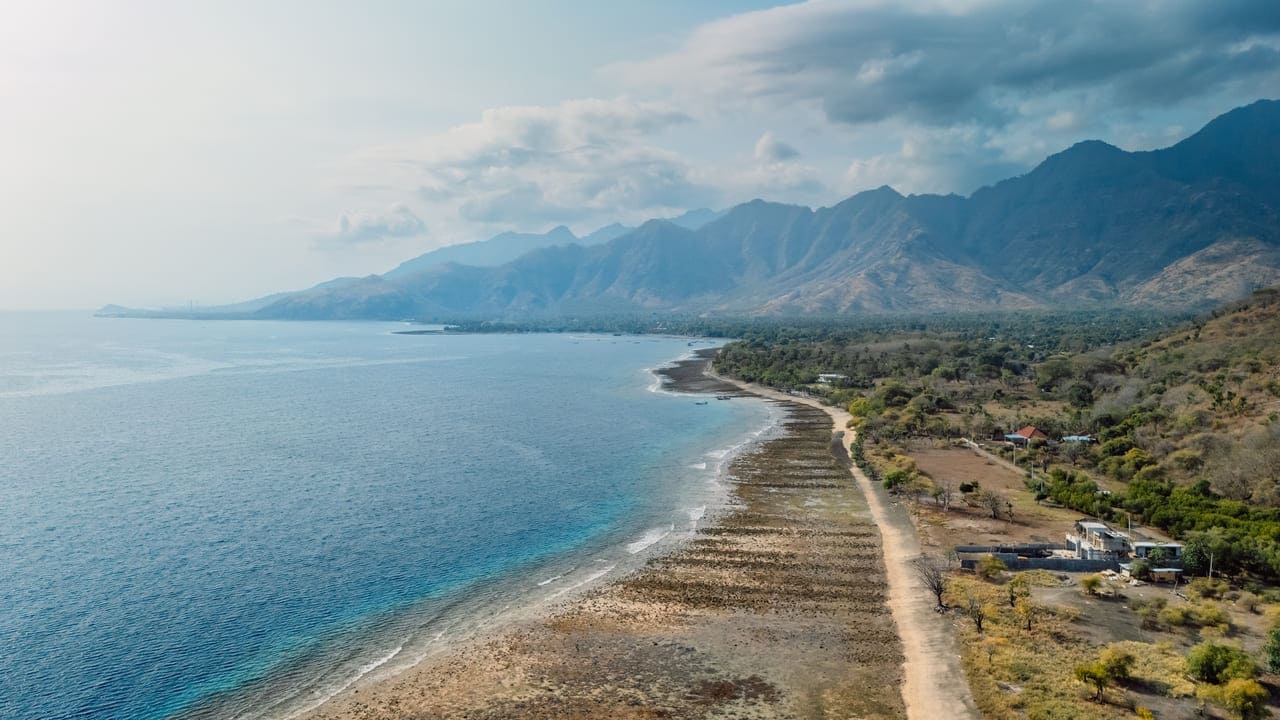
A quiet coastal village on Bali’s untouched northwest shore, Pemuteran feels like the island before the world discovered it. Black-sand beaches, coral gardens, and palm-lined lanes set the rhythm of life here, where mornings begin with fishermen returning from the bay and evenings glow with volcanic sunsets.
Pemuteran earned its place on the United Nation’s (UN) recommended list of top 50 villages, for pioneering one of the world’s largest community-run coral restoration programs, preserving marine biodiversity while protecting local livelihoods. It embodies Bali’s quieter, more sustainable spirit, where tourism uplifts both nature and community.
Top Experiences
- Snorkel or dive at the Biorock Coral Restoration Project
- Take a boat to Menjangan Island for world-class reefs
- Visit Pulaki Temple guarded by wild monkeys
- Explore West Bali National Park’s forested trails
- Wander through temples wrapped in incense
- Experience the warm hospitality of the locals
How to Reach
Fly into Denpasar via Philippine Airlines or China Airlines. Take a scenic 4-hour coastal drive to Pemuteran.
Yangsuri, Republic of Korea
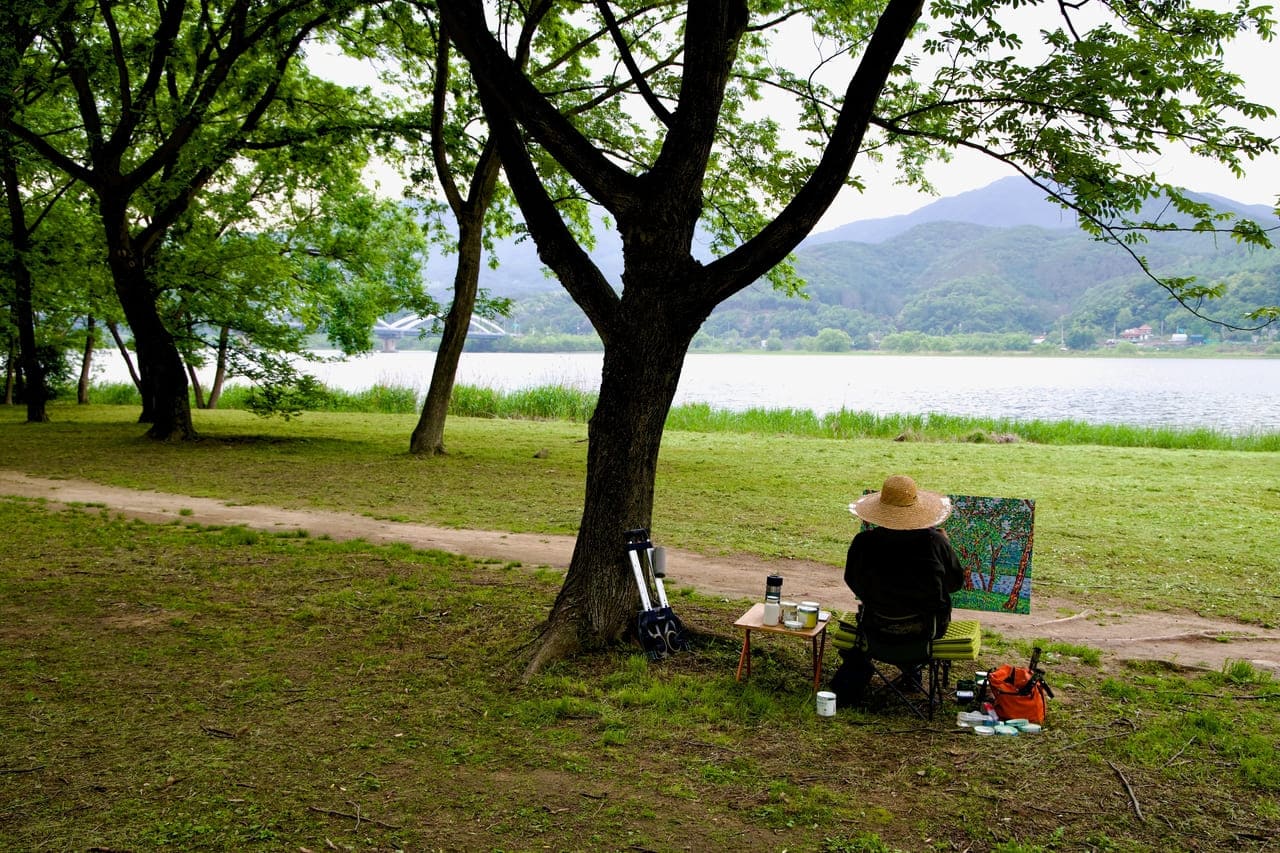
Yangsuri stand-out model demonstrating how rural tourism can stay authentic, green, and deeply cultural. The village sits where the Bukhan and Namhan Rivers meet, known for its serene landscapes and riverside traditions. Village-life is shaped by the Korean rural culture incorporating the mountains and water into aspects of daily living. It blends nature with heritage sites, tea houses, and timeless countryside charm giving a feeling of calm and tranquility.
Top Experiences
- Take an early-morning Bukhangang River cruise or a slow wooden boat ride
- Wander the willow shaded Two Rivers Trail for a gentle nature walk
- Hike on Yumyeongsan Mountain and stop by to enjoy tea in a traditional hanok
- Cycle through riverside trails and quiet farm lanes
- Visit the historic Semiwon Garden with lotus fields and stone bridges
- Stroll the scenic Dumulmeori waterfront at sunrise
How to Reach
Fly into Incheon via Asiana Airlines or Air Premia. Continue to an intercity bus from there to Yangpyeong and change buses to travel to Yangsuri or take a direct taxi.
Koyasan, Japan
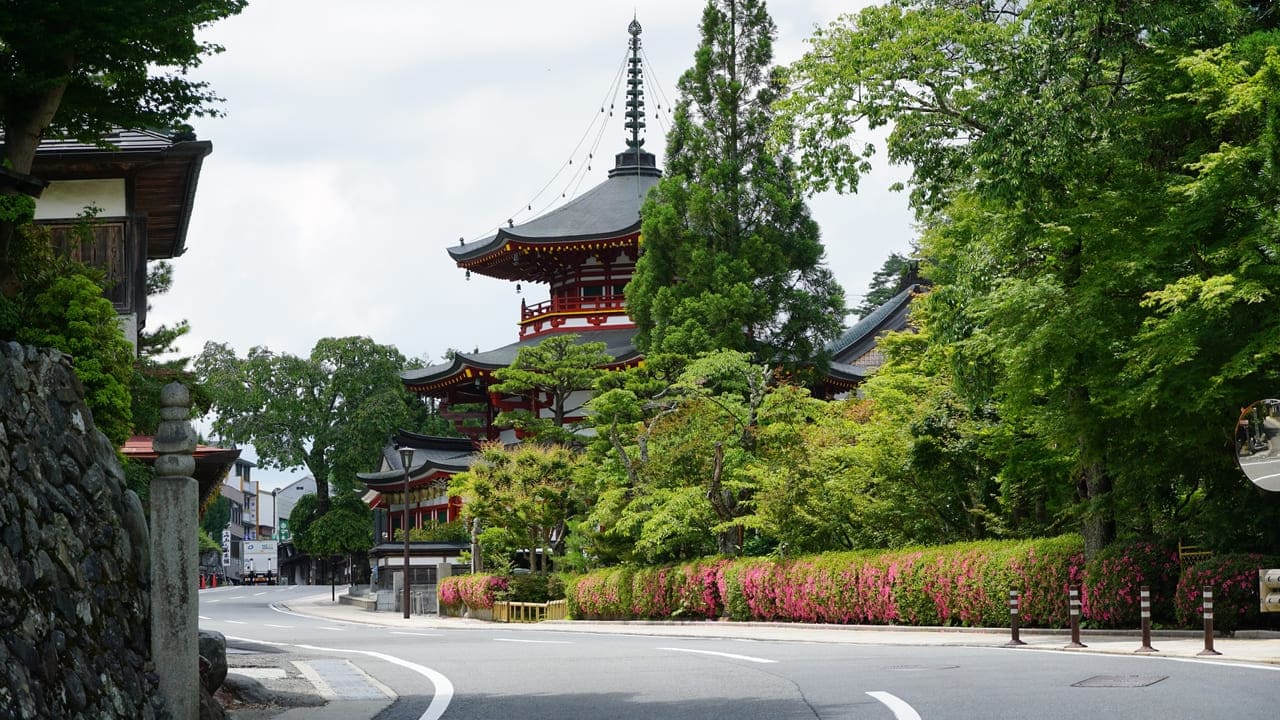
Wake up to hypnotic morning chants echoing through cedar forests in one of Japan’s most sacred high-mountain sanctuaries. With 100+ temples and moss-covered forest cemeteries, Koyasan is a village where silence feels holy. This ancient Shingon Buddhist center has a deep spiritual heritage, unparalleled temple conservation and a living monastic culture. Its continued role as a pilgrimage site on the Kumano Kodo network protects centuries old spiritual traditions.
Top Experiences
- Walk Okunoin Cemetery at dawn
- Stay in a shukubō (temple lodge)
- Taste vegan shojin ryori prepared by monks
- Ride the Koyasan cable car into the clouds
- Explore Garan, Kongobuji and the sacred pagodas
How to Reach
Fly into Osaka, Japan (KIX) via United or Japan Airlines. Continue by train + cable car to Koyasan.
Lô Lô Chải, Vietnam
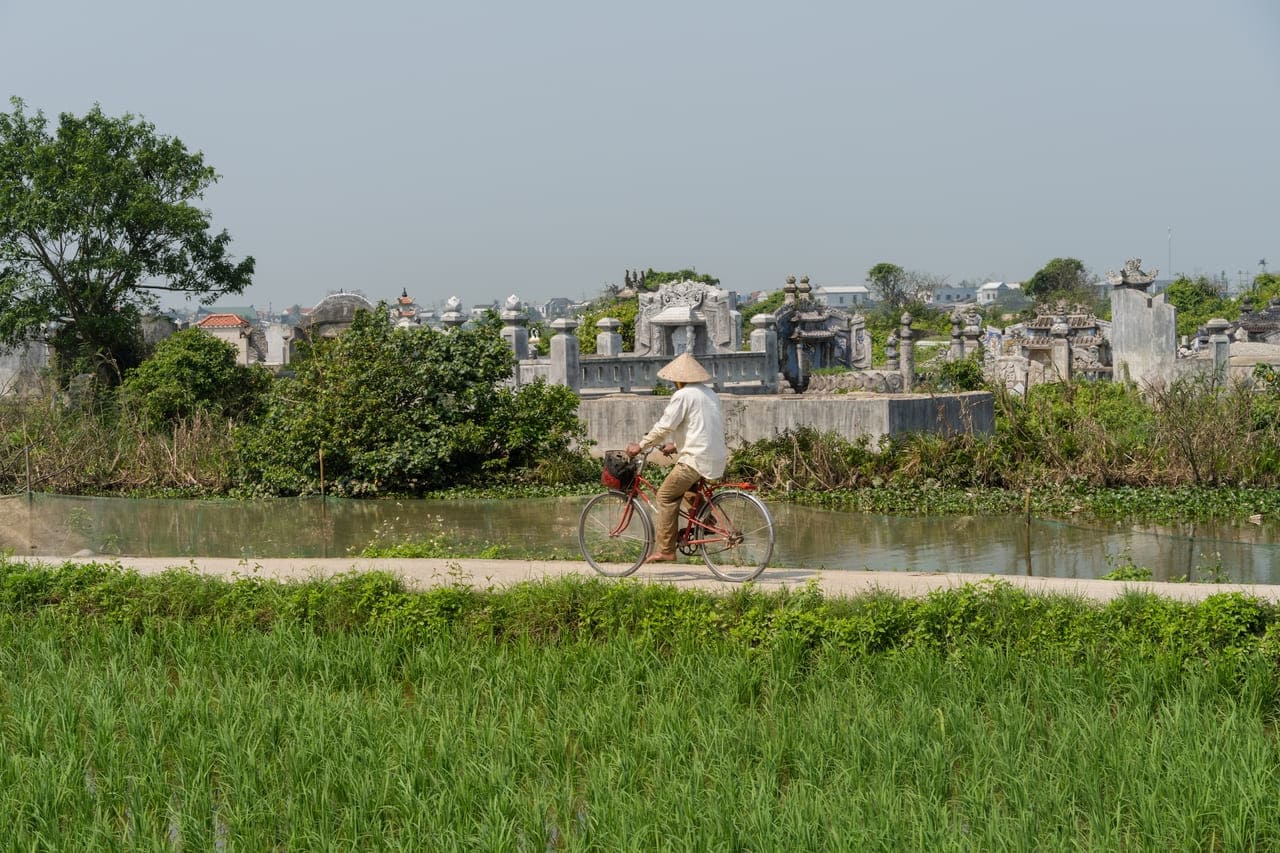
A remote northern mountain village perched near the iconic Lung Cu Flag Tower, Lô Lô Chải is one of Vietnam’s most beautifully preserved ethnic communities. Color-splashed traditional mud-and-stone architecture houses, handwoven textiles, and smoky outdoor kitchens set the scene as villagers keep centuries-old Lô Lô customs alive.
Top Experiences
- Visit the Lung Cu Flag Tower
- Try a homestay with Lô Lô families
- Experience evening drum dances
- Explore morning markets for roasted corn and herbal teas
- Discover local crafts, indigo dyeing & folk instruments
How to Reach
Fly into Hanoi via Sichuan Airlines from Chengdu (TFU) and drive north to Dong Van.
Dongluo, China
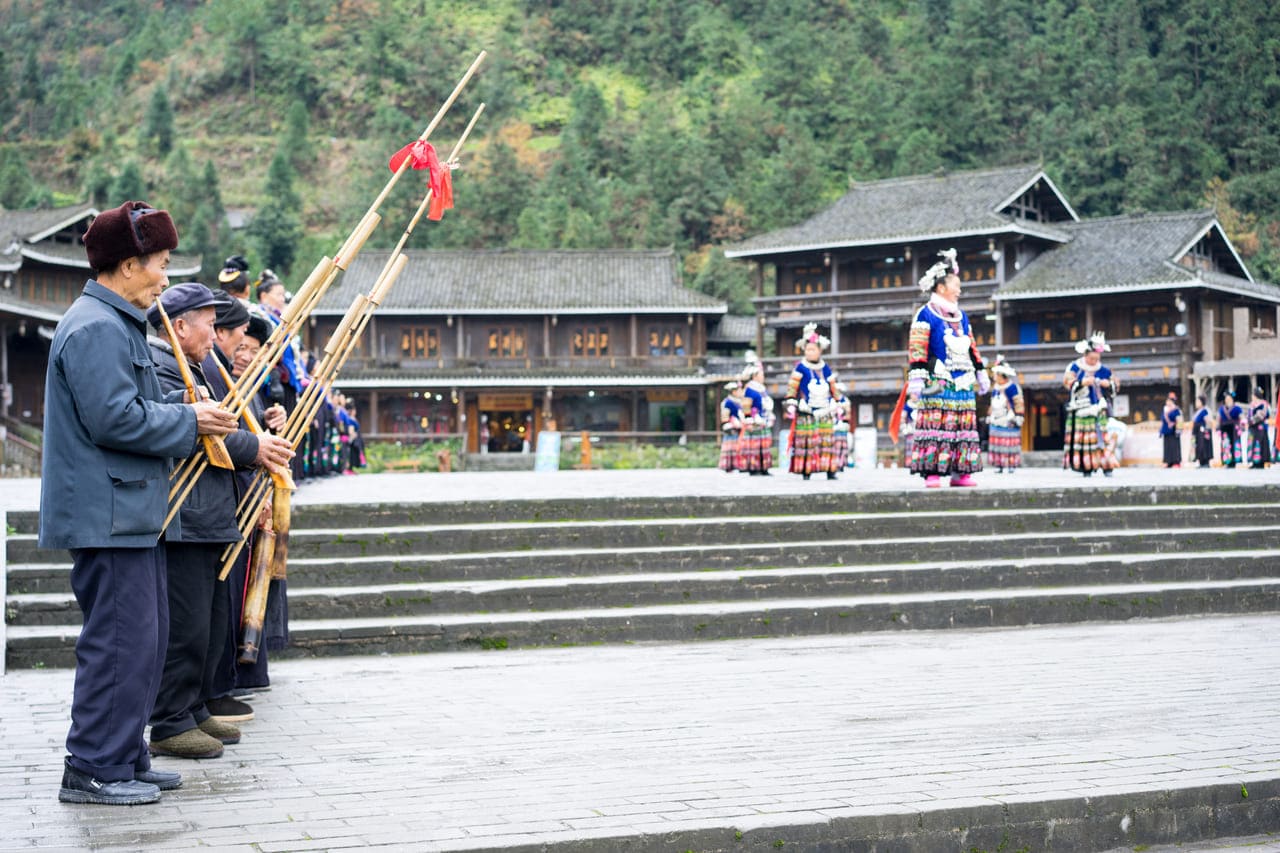
Dongluo is a lush green picturesque village located in Xinghua City, under Taizhou, in the province of Jiangsu, East China. The community-centered village is alive with hand-woven textiles, reed-pipe music, and slow rural traditions. It earned its UN-recognition for safeguarding Zhuang heritage; from natural fabric-dyeing to stilted wooden homes.
Top Experiences
• Join a hands-on indigo dye workshop
• Attend a traditional Zhuang reed-pipe dance
• Walk through terraced farmlands and village footpaths
• Visit family-run weaving houses and textile ateliers
How to Reach
Fly Air China via Beijing or Cathay Pacific via Hong Kong. Transfer by road or train.
Your Next Sacred, Slow Journey Awaits
If spiritual stillness in Koyasan, riverside calm in Yangsuri, coral sanctuaries in Pemuteran, hillside beauty of Dongluo, and mountain heritage of Lô Lô Chải stir your curiosity, explore FlyingCarpet.Travel to book flights, hotel stays and activities.
If you like this blog, you may also like our other articles:
How the UN chooses its best tourism villages around the world.
Handpicked experiences, rural hideaways, cultural encounters, and off-the-map adventures crafted for travelers who value calm over a rushed vacation in Europe.
FAQs
1.Why visit villages in the Asia–Pacific instead of major cities?
These villages offer immersive cultural experiences—rituals, crafts, local food, mountain landscapes, and community-led tourism that big cities can’t replicate.
2.Are these village destinations safe for international travelers?
Yes. All listed villages across Indonesia, Korea, Japan, Vietnam, and China, are safe for visitors and offer established tourism networks, local guides, and community-run stays.
4.What’s the best time to visit these Asian–Pacific, slow-travel villages?
Generally, the dry and cool months (October–April) are ideal. Japan and Korea are stunning in spring and autumn; Bali is beautiful year-round.
5.Do these villages offer eco-friendly or community-run tourism?
Absolutely. Many of these destinations were recognized by the UN for sustainable tourism, cultural preservation, and community involvement.
6.How difficult is it to reach these villages from the US?
Most require a connection through major Asian hubs (Seoul, Tokyo, Osaka, Hanoi, Nanning, Denpasar), followed by a scenic local transfer by road, bus, or cable car.
7.Can travelers stay overnight in these villages?
Yes, experience staying in homestays, heritage inns, temple lodges, eco-stays, and small guesthouses depending on the village.
8.Are these destinations suitable for families or first-time travelers to Asia?
Yes. Pemuteran, Yangsuri, and Koyasan are particularly family-friendly. Lô Lô Chải and Dongluo appeal more to cultural and photography-focused travelers.