
Africa’s Iconic Trees: A Nature Lover’s Guide
03-10-2025
Africa’s landscapes aren’t just wide-open plains and dramatic deserts, they’re also home to some of the world’s most ancient and iconic trees. From the towering Baobabs, known as the ‘Tree of Life,’ to the sprawling Acacias that paint the savannah in golden light, each tree tells a story of survival, tradition, and wonder.
Table of contents
- 1.Why Africa’s Ancient Trees Are a Must-See on Your Next Adventure
- 2.Let’s Go Tree Scouting
- 3.Baobab Tree – The Upside-Down Giant
- 4.Quiver Tree – The Desert Sentinel
- 5.Mopane Tree – The Elephant’s Feast
- 6.Marula Tree – Sweet Fruit and Wildlife
- 7.Fever Tree – Wetland Wonders
- 8.Whistling Thorn Tree – Nature’s Symphony
- 9.Sausage Tree – Hanging Giants
- 10.Yellowwood Tree – Forest Elegance
- 11.Spekboom – The Eco-Warrior
- 12.Date Palm - The Sweet Life of the Desert
- 13.Argan Tree - The Berber Gold of Morocco
- 14.Shea Tree - Nature’s Cream of the Savanna
- 15.Iroko Tree - The Resilient Roots of the Arid Lands
- 16.Ready to Explore Africa’s Living Legends?
- 17.FAQs on African Trees
Key Takeaways
- Africa’s iconic trees offer visual drama.
- They are ecosystem shapers, wildlife hosts, and cultural landmarks.
- Trees are tied to local folklore, rituals and traditions.
- Perfect for eco-tourism, slow travel, and immersive photography experiences.
Why Africa’s Ancient Trees Are a Must-See on Your Next Adventure
Africa’s iconic trees are more than visual spectacles – they shape ecosystems, host wildlife, and carry cultural significance. From the solitary majesty of Baobabs to the clustered elegance of Fever Trees, each tree offers:
- Photography opportunities: Dramatic landscapes and natural light.
- Wildlife encounters: Elephants, monkeys, giraffes, and birds congregate around trees.
- Cultural stories: Folklore, local uses, and historical significance.
- Immersive nature experiences: Perfect for slow travel and eco-tourism.
Let’s Go Tree Scouting
Africa’s trees are silent storytellers. They offer travelers a chance to experience nature, culture, and wildlife in one frame. Whether standing under a towering Baobab or exploring a dense Spekboom thicket, these iconic trees transform any journey into a truly unforgettable adventure.
Baobab Tree – The Upside-Down Giant
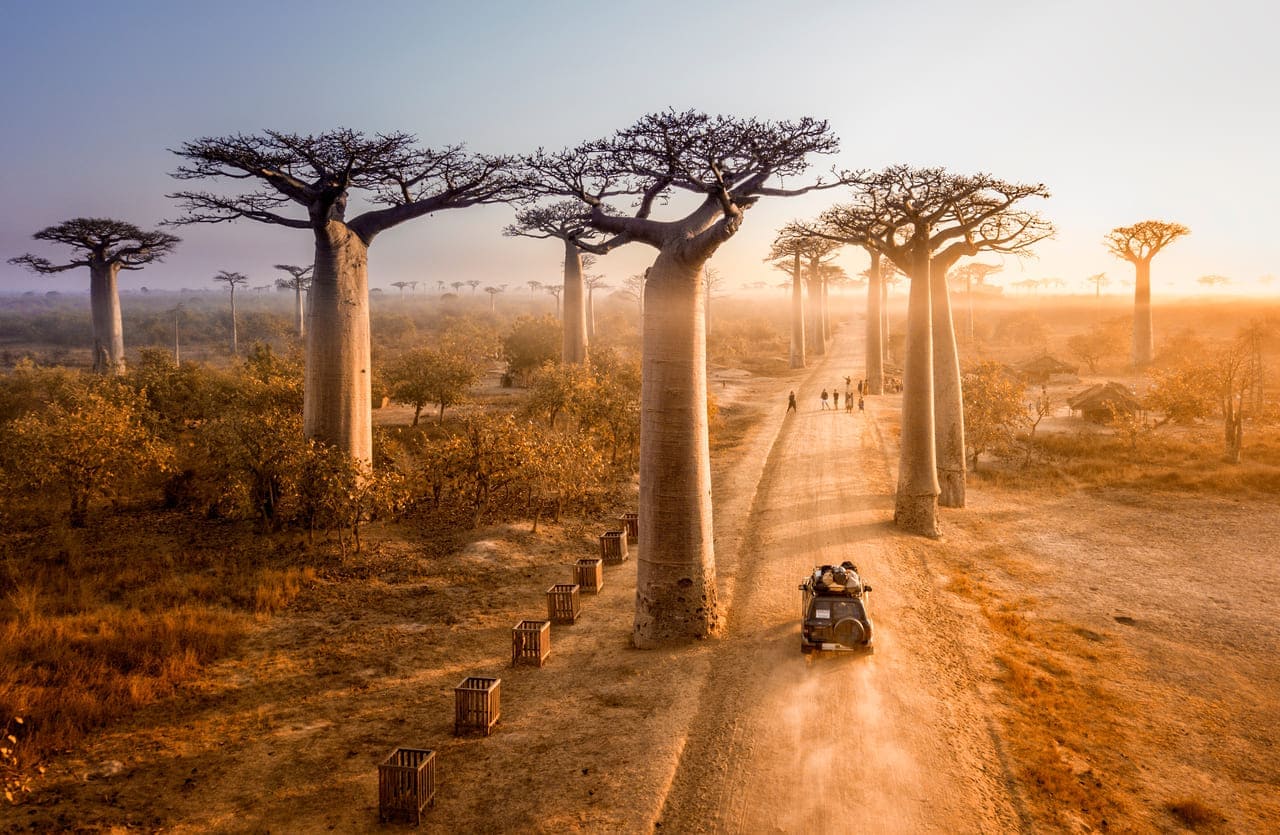
Walking among the colossal Baobabs in Baobab Alley in Madagascar or Northern Namibia (Khorixas, Kalahari), feels like stepping into another world. Their massive trunks, swollen with water, rise skyward like inverted roots reaching for the heavens.
West Africa is home to some of the continent’s oldest and largest Baobabs. In Senegal, Mali, and Burkina Faso, these giants dominate the savannah, some reaching over 1,000 years old. The “Grand Baobab” in Senegal is must-see.
Travel Tip
At sunrise, the soft golden light illuminates their bark, making the trees glow against the desert sands. The late afternoon is perfect for photos too. Guided tours offer insight into their history and folklore.
Book a tour to Kirindy Forest and Baobab Avenue in Madagascar.
Quiver Tree – The Desert Sentinel
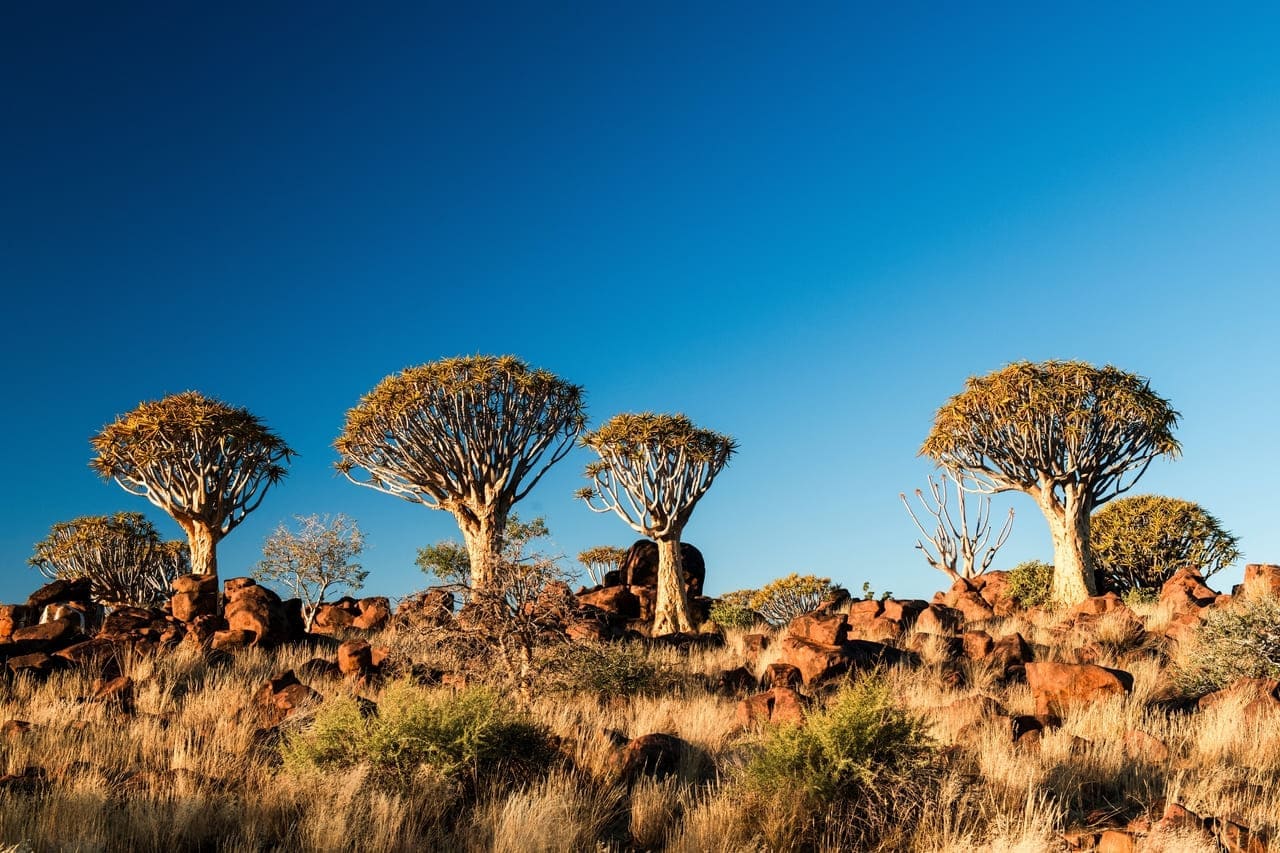
In Namibia’s arid landscapes, Quiver trees stand like sentinels guarding the dolerite rocky terrain near Keetmanshoo. Their aloe-like branches stretch upward, casting long shadows across the golden desert.
Travel Tip
Easily access Quiver Tree Forest via road and guided tours available. The forest appears surreal at sunset, when the trees appear to glow against the fiery sky.
Mopane Tree – The Elephant’s Feast
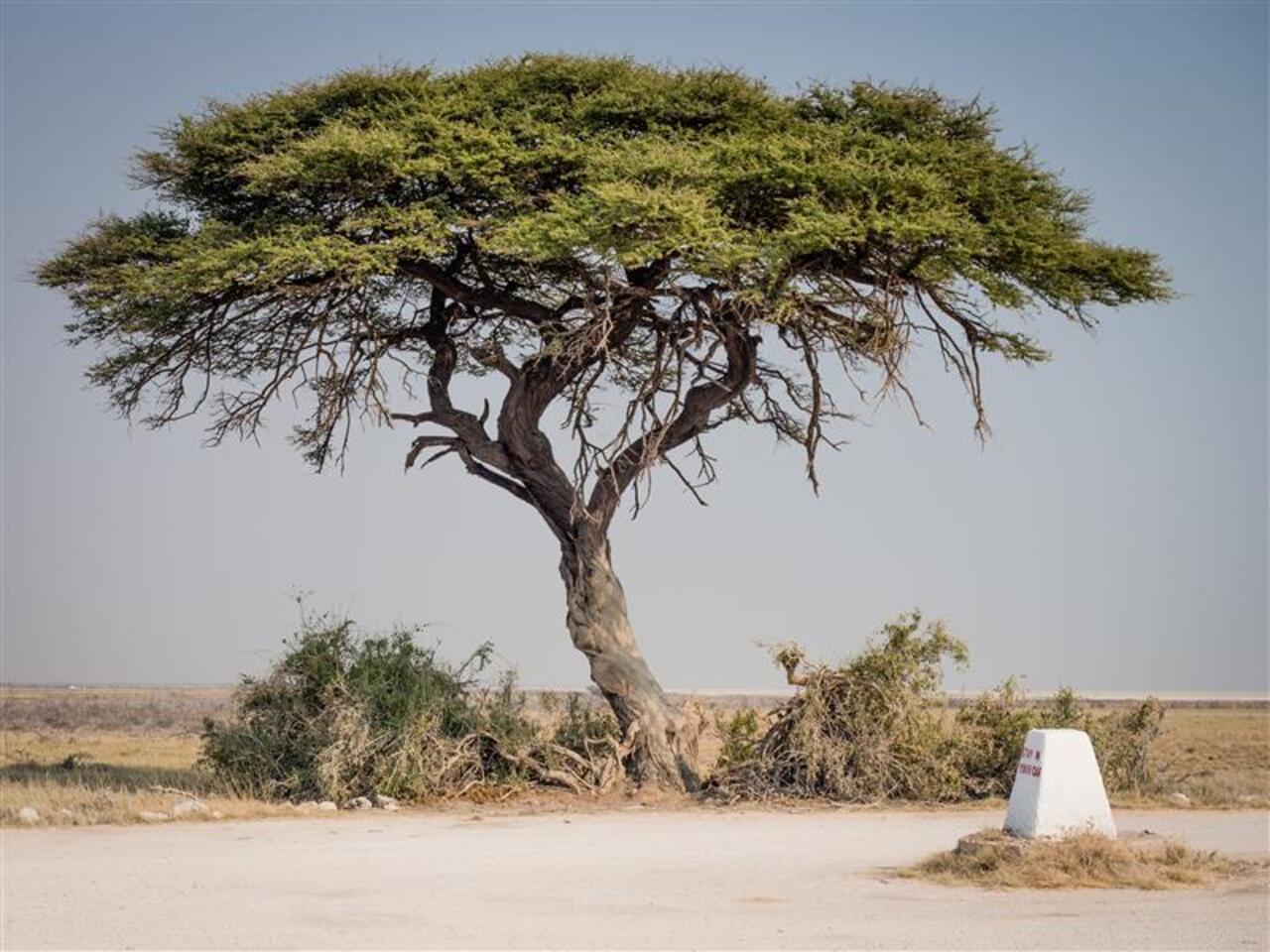
Feel awestruck as you drive through the dense Mopane woodlands of Botswana, North and South Africa and Namibia. In these places dramatic landscapes meet incredible wildlife encounters. The butterfly-shaped Mopane leaves form a patterned canopy above, creating a unique, almost magical atmosphere. Watch in quiet wonder as elephants gracefully nibble on these iconic leaves, embodying serene elegance in the heart of the wilderness.
Take a private guided walking tour with the San people in Windhoek and learn about the ancient wisdom of bush plants and how they use plants and trees.
Travel Tip
Ideal for safaris and wildlife photography; morning light brings out the vibrant greens and browns.
Marula Tree – Sweet Fruit and Wildlife
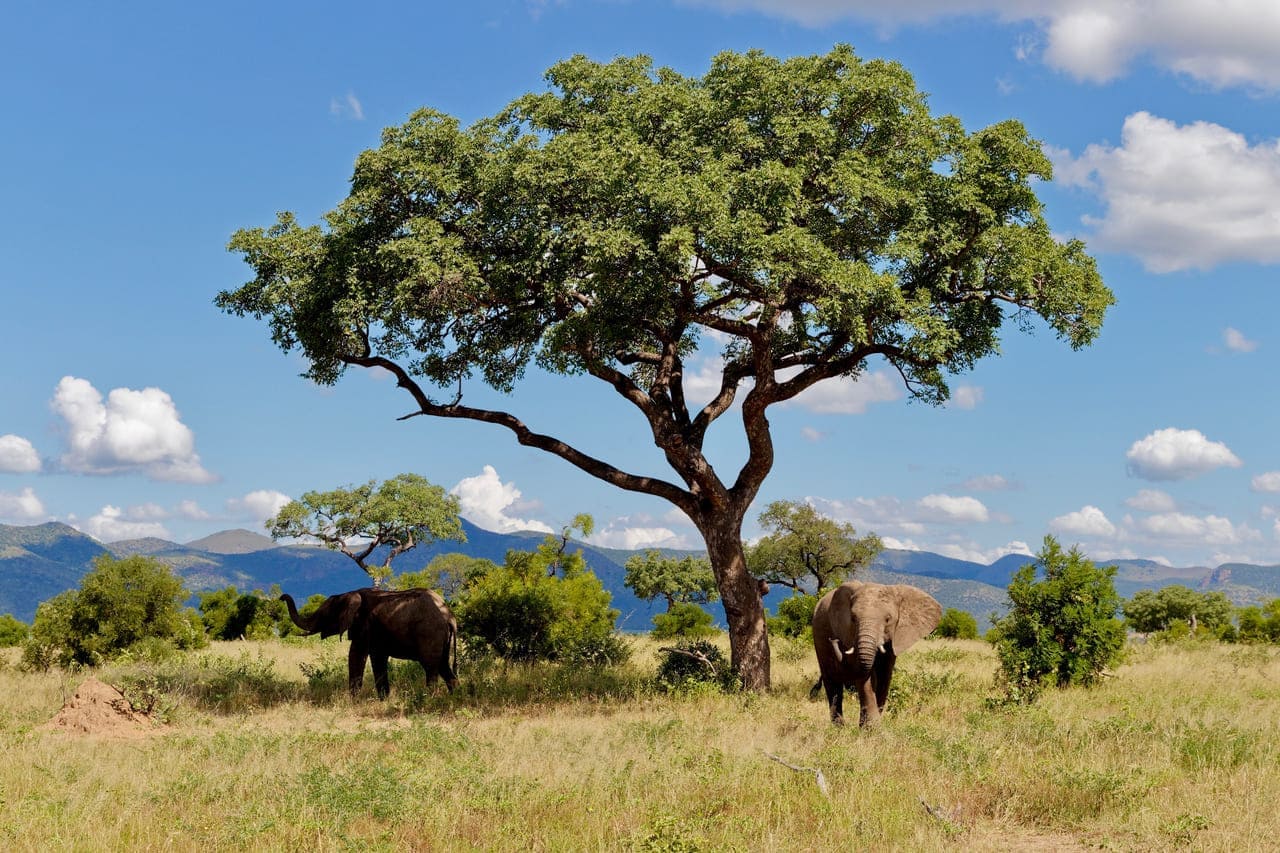
The Marula tree is a celebration of life. In Botswana, watch elephants and monkeys scramble for the golden fruit, creating a lively scene in the late afternoon sun. Used in local beverages and traditional rituals, the Marula tree connects culture with nature in a tangible way.
Travel Tip
Peak fruit season is February–March; combine with cultural tours for a full experience.
Take a ride deep into the wetlands of the Okavango Delta with members of the Mokoro community to learn about their wildlife and vegetation.
Fever Tree – Wetland Wonders
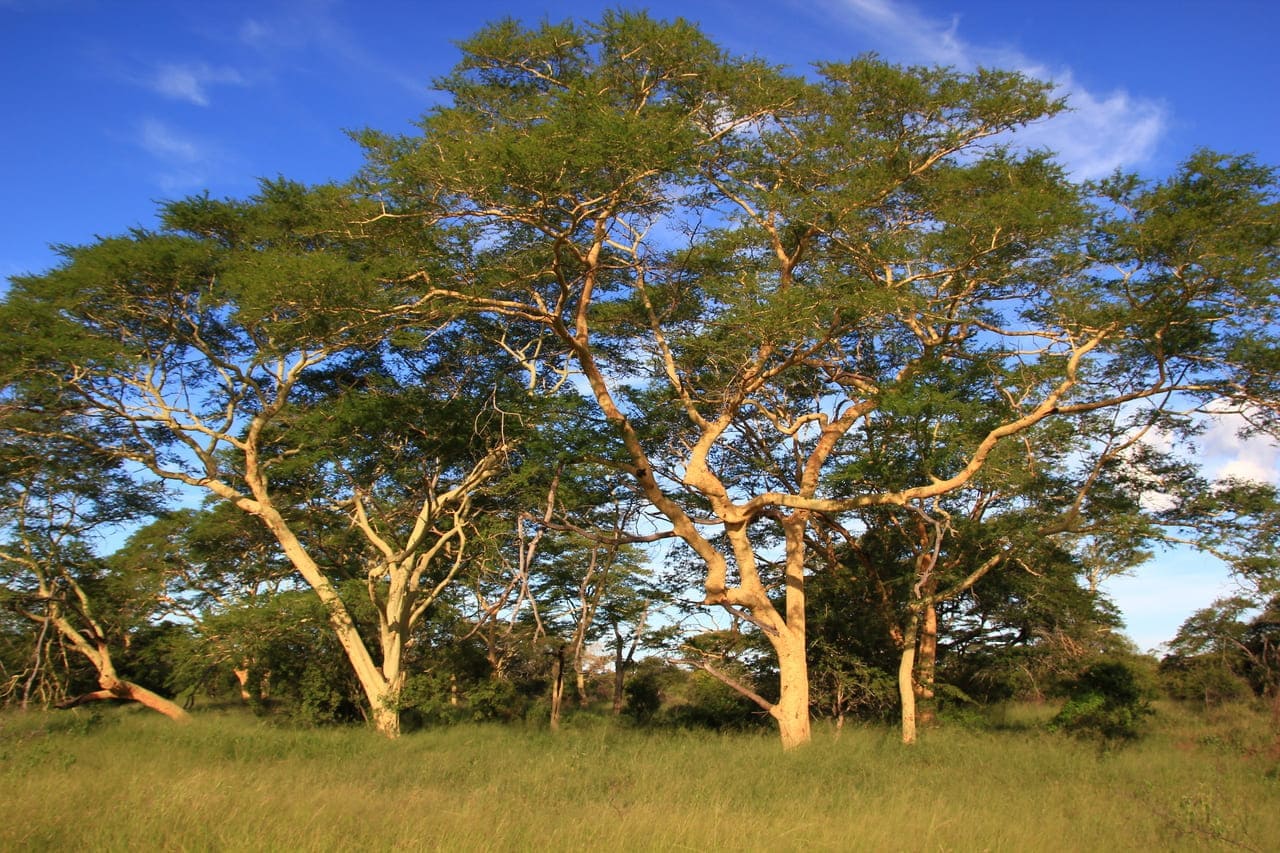
Clusters of Fever Trees in Kruger National Park rise along the wetlands, their pale yellow-green bark glowing in the sunlight. Reflected in calm waters, they create landscapes that feel almost surreal. Early morning mist adds to the ethereal beauty, making it a photographer’s dream.
Travel Tip
Visit during early hours for misty landscapes and active wildlife.
Take a guided walking tour with elephants, understand the vegetation and wildlife of the place.
Whistling Thorn Tree – Nature’s Symphony
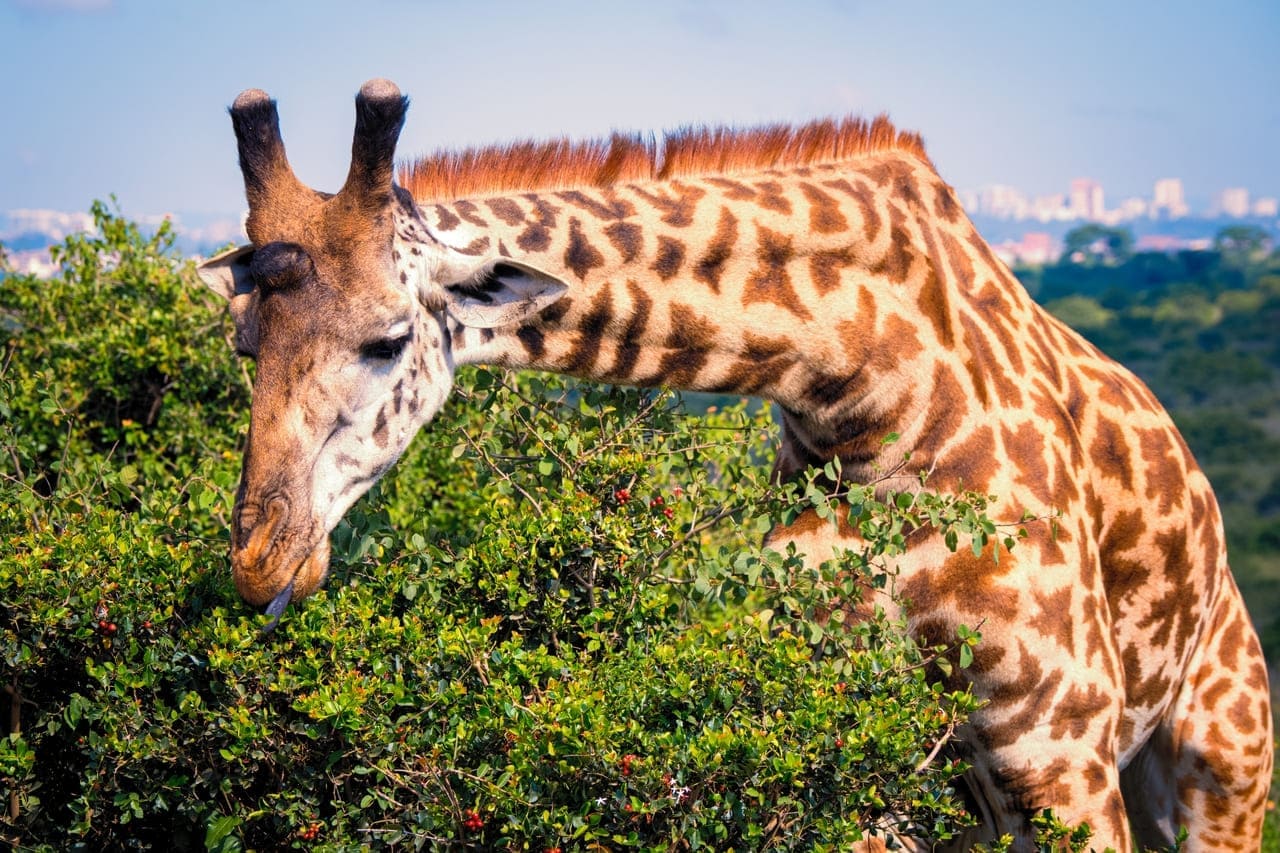
The Whistling Thorn trees of the Kenya and Tanzania savannahs are more than just trees, they’re ecosystems. Hollow thorns house tiny ants, which emit a soft whistling sound when the wind passes through. Watching giraffes nibble their leaves while ants defend their home is a fascinating glimpse into nature’s balance.
Travel Tip
Include the exploration of these trees on safari drives; best explored with a guide to understand the ant-tree symbiosis.
Sausage Tree – Hanging Giants
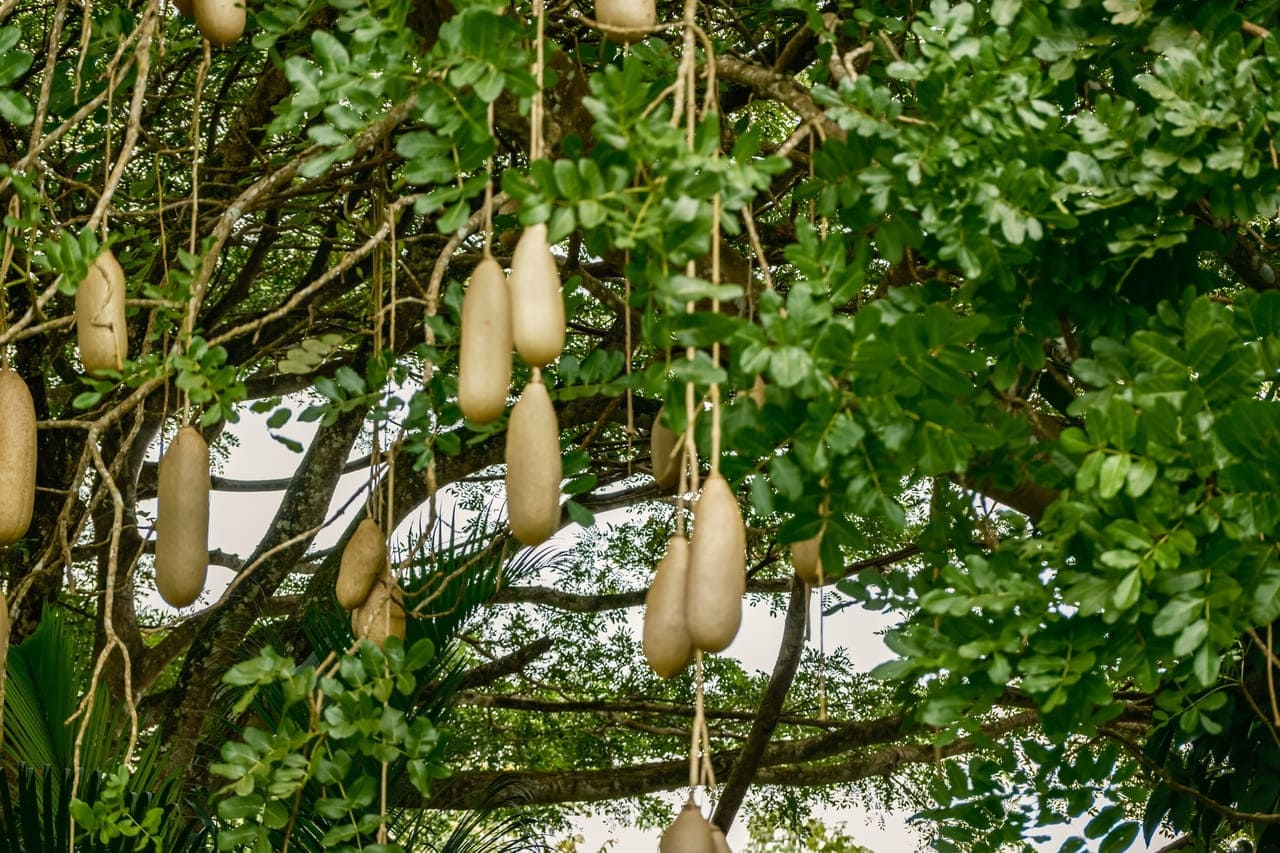
Often seen along safari routes; the Sausage Tree is impossible to miss, with its enormous, dangling fruit swaying like natural ornaments. Along riverbanks in Zimbabwe and South Africa, elephants and baboons feed from these fruits, creating lively wildlife encounters.
Travel Tip
Riverine areas are the best spots; early morning visits capture the most activity.
Yellowwood Tree – Forest Elegance
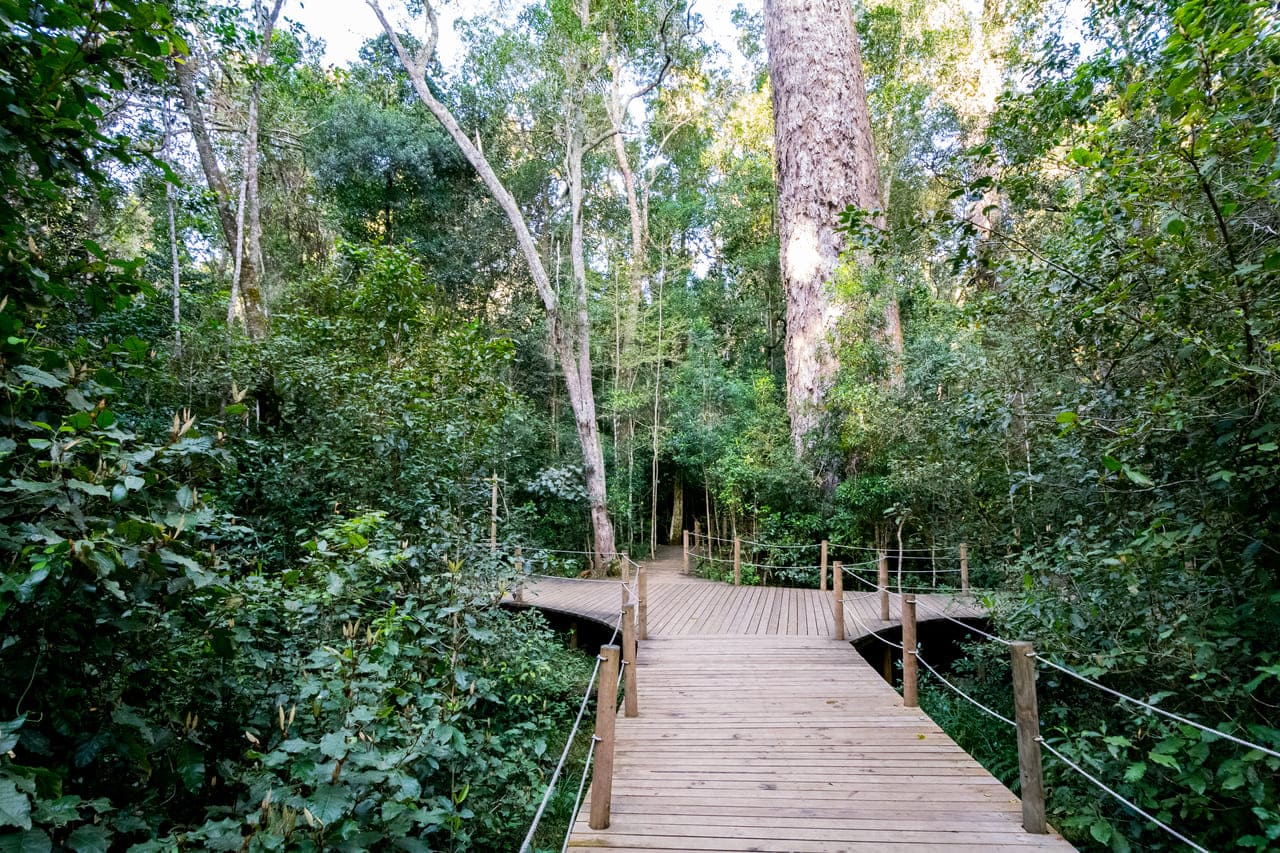
In South Africa’s indigenous forests, Yellowwood trees rise majestically, forming a serene canopy. Hiking beneath these ancient giants in the Southern Cape is a meditative experience, accompanied by the chirping of birds and filtered sunlight streaming through leaves.
Travel Tip
Ideal exploration when hiking, birdwatching, and quiet forest walks.
Spekboom – The Eco-Warrior
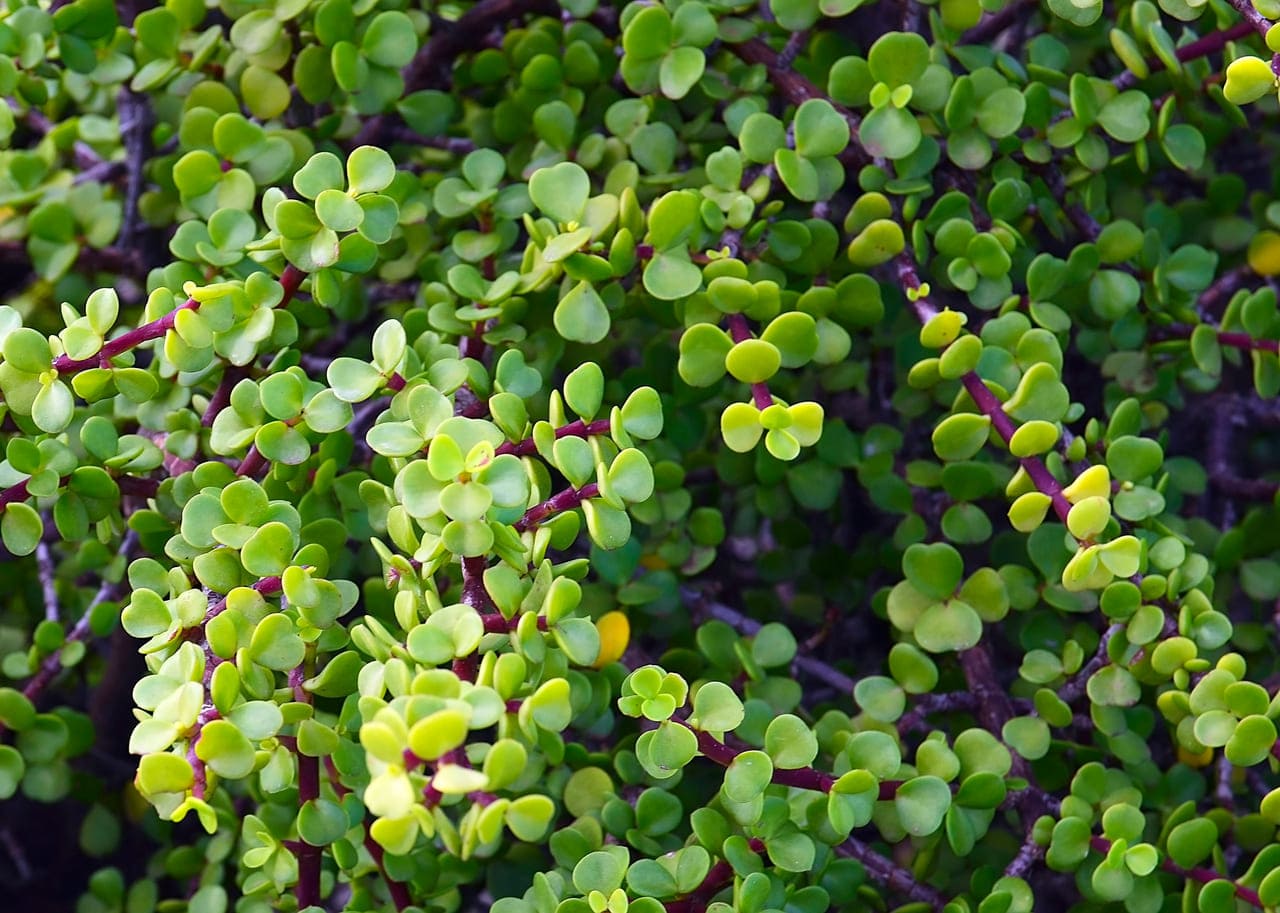
Spekboom may be smaller than giants like Baobabs, but it’s a powerhouse for conservation. Forming dense thickets in the Eastern Cape and Karoo, South Africa, these succulent trees capture carbon, sustain life in semi-arid regions, and offer travelers a chance to connect with sustainable landscapes. Eco-tourists and conservation enthusiasts come to see carbon-capturing “living forests” and learn about sustainability.
Travel Tip: Guided walks are recommended for eco-tourism enthusiasts.
Date Palm - The Sweet Life of the Desert
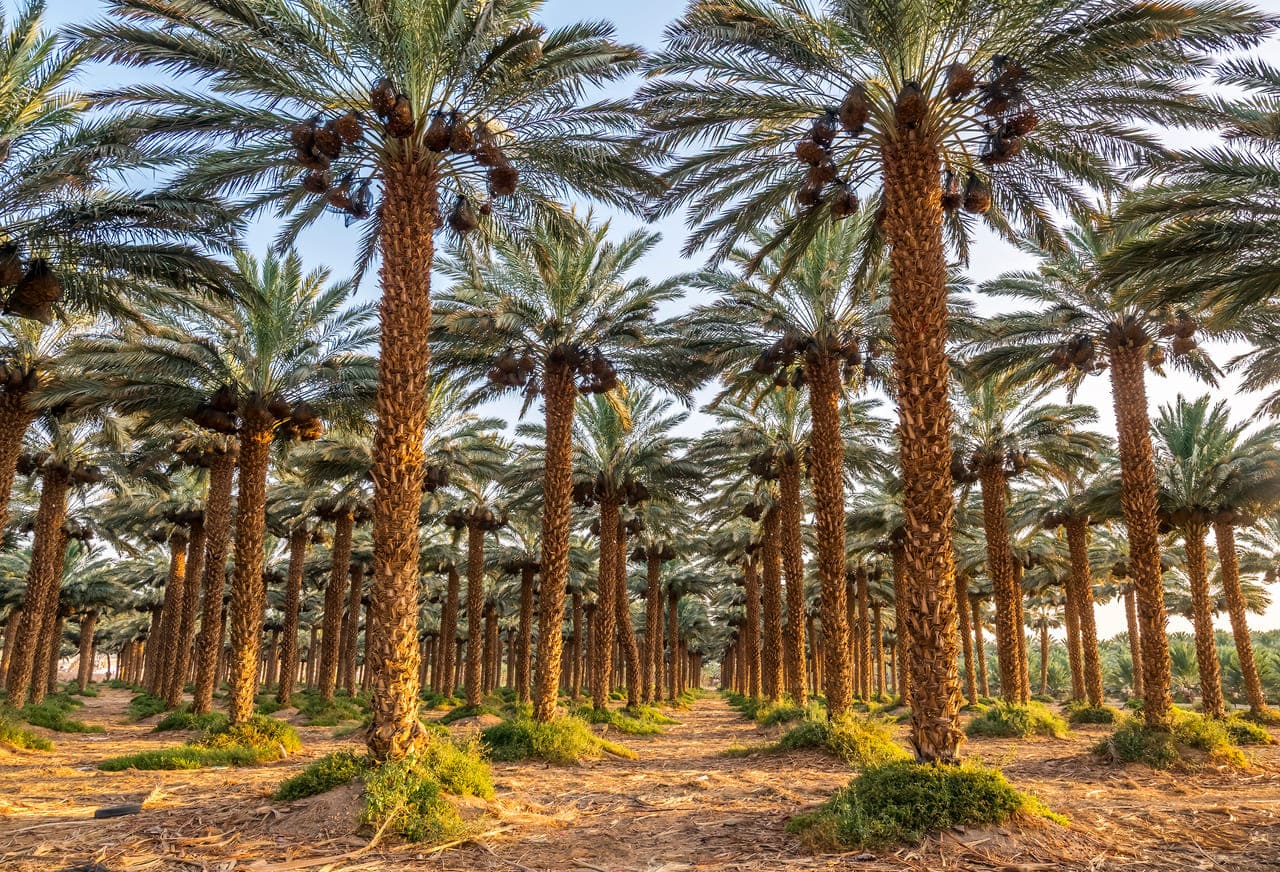
Walk through the Todra Gorge in Morocco and Sahara oases in Tunisia to see the Date Palms that create a striking contrast against the arid desert. These palms have been a lifeline for desert communities for centuries, providing food, shade, and materials.
Travel Tip
Visit at sunrise when the palms cast long, dramatic shadows on the sand; combine with camel treks for full desert immersion.
Argan Tree - The Berber Gold of Morocco
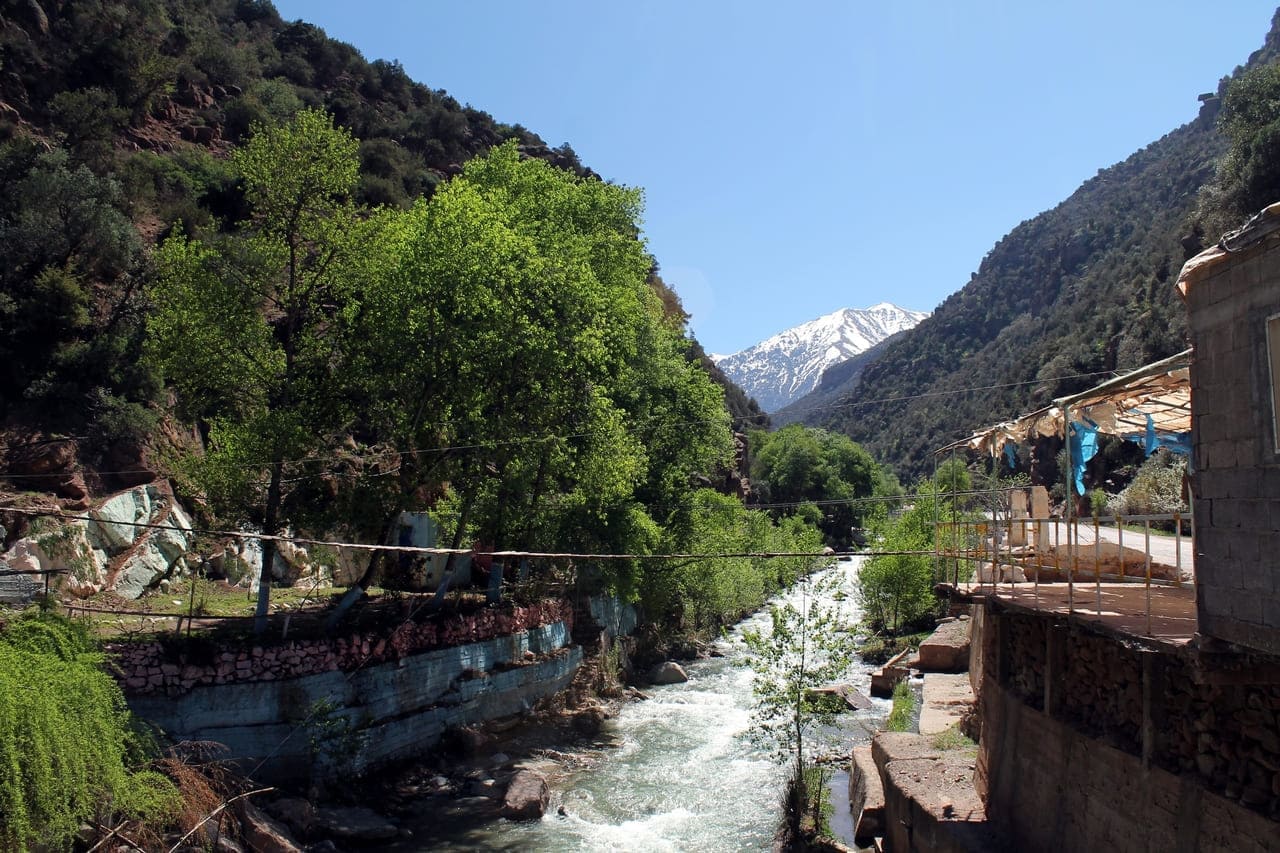
Famous for its oil, the Argan Tree carpets southwestern Morocco near Essaouira. Women harvesting Argan nuts form part of the local cultural landscape, making a visit both ecological and cultural.
Travel Tip
Combine tree visits with a local cooperative tour to see traditional harvesting and oil-making and agile goats climbing up this tree.
Shea Tree - Nature’s Cream of the Savanna
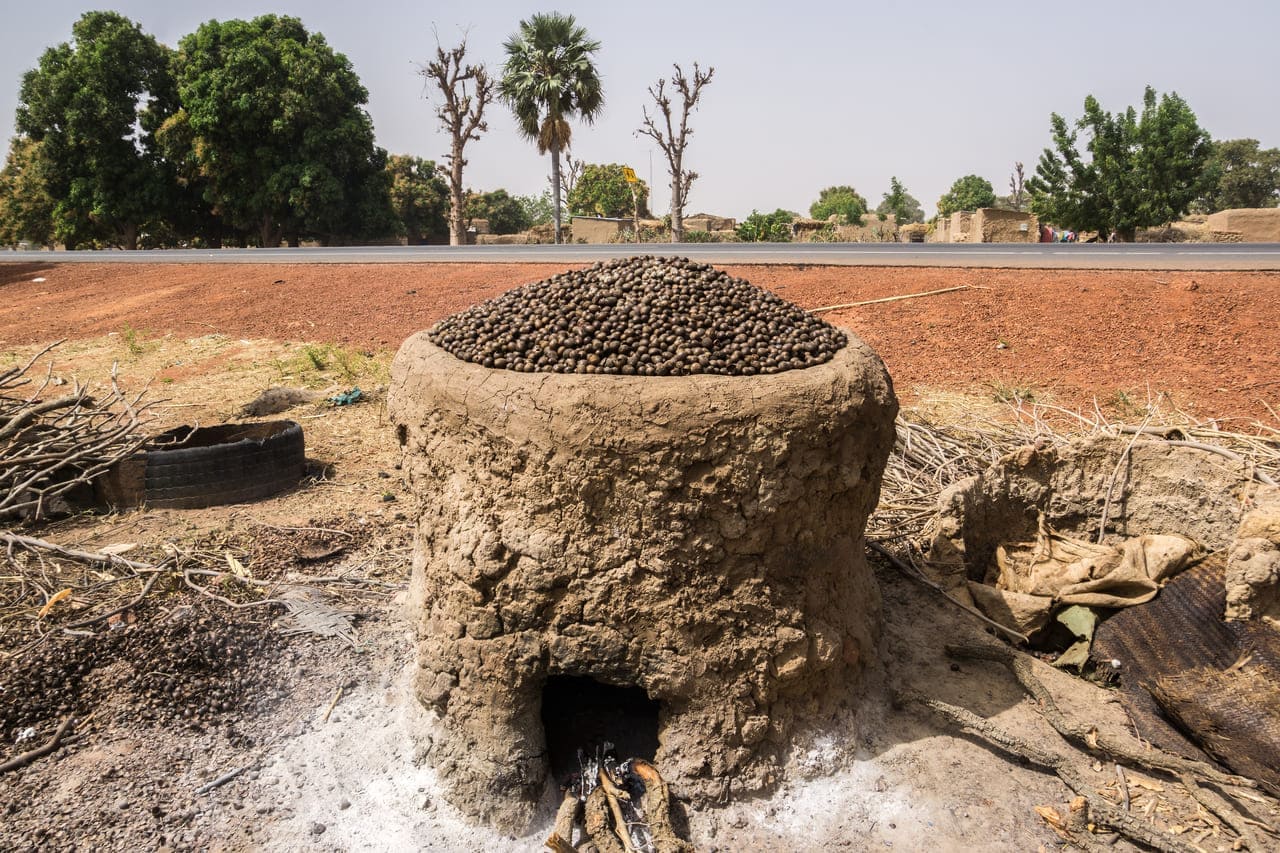
Famous for its nuts that produce shea butter, these trees are culturally significant and often found in community-managed landscapes, scattered across the savannahs of Ghana, Burkina Faso and Mali.
Travel Tip
Visit during nut-harvesting season (typically Nov–Mar) for an immersive cultural experience.
Iroko Tree - The Resilient Roots of the Arid Lands
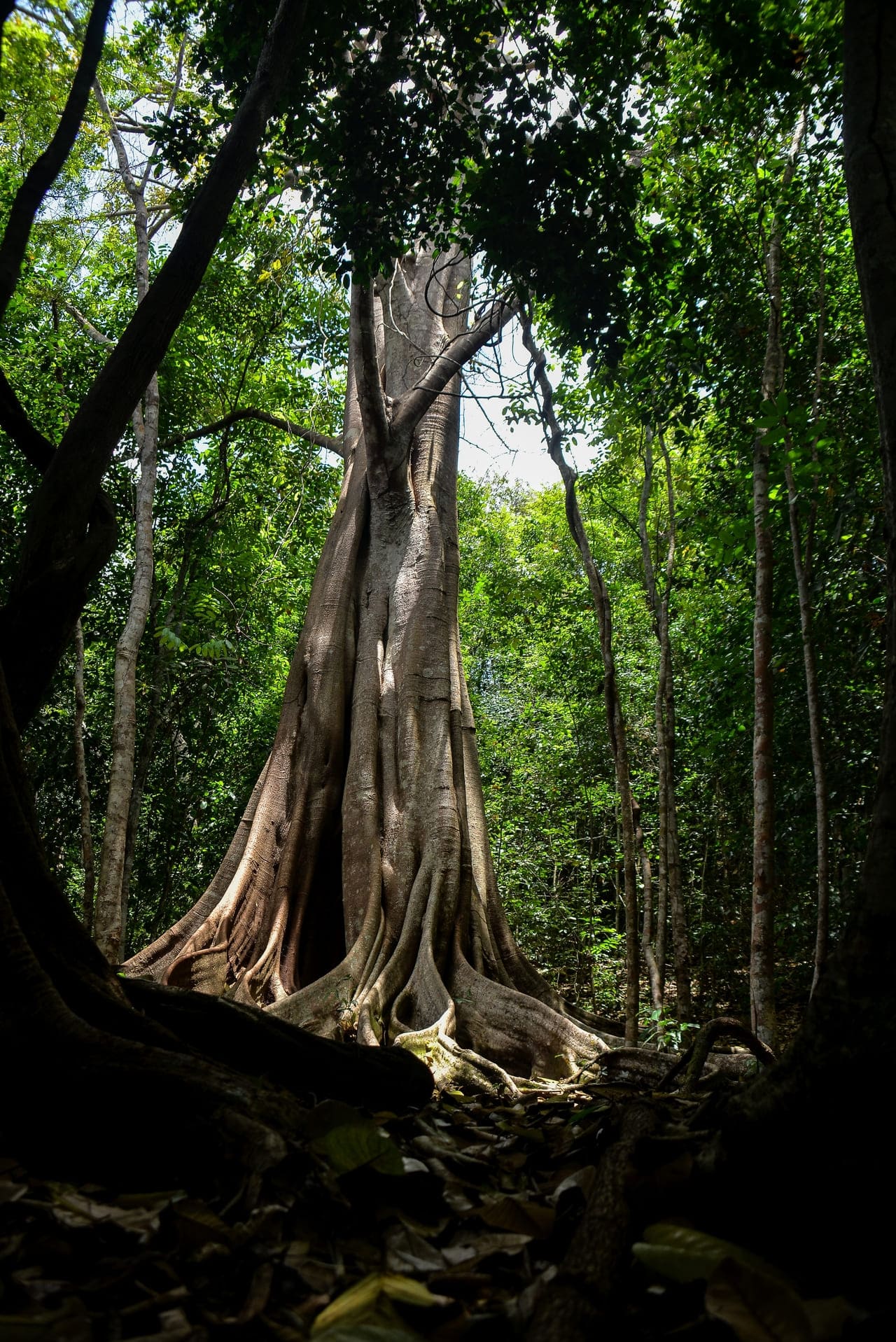
Known as the “African Teak,” Iroko trees are considered sacred in many West African communities. They can grow to be quite enormous and are often found near villages or sacred groves across Nigeria, Ghana, Benin and Ivory Coast, offering a glimpse into spiritual traditions.
- Travel Tip: Hire a local guide to learn about cultural significance and avoid disturbing sacred groves.
Ready to Explore Africa’s Living Legends?
There’s no better way to experience Africa than by standing beneath its iconic trees, each with its own story carved by time, culture, and nature. Whether you’re chasing golden light at sunrise under a Baobab or listening to the whistling ants of a Whistling Thorn Tree, these natural wonders transform every journey into a soulful adventure.
Let FlyingCarpet.Travel be your guide to these unforgettable destinations. Explore immersive tree-centric safaris, cultural tours, and eco-adventures designed for slow travel and a deep connection with nature.
FAQs on African Trees
1.Where in Africa do the continent’s most iconic trees grow?
North and West Africa have iconic trees and unique landscapes that are a bit different from Southern and Eastern Africa, but equally fascinating for nature-loving travelers.
2.What kind of trees grow in Africa?
Trees like Jacaranda, Palm, Pine, Quiver, Mopane, Baobab, Whistling Thorn tree, and many more varieties grow in Africa.
3.Are there any tips for Tree Spotting?
For the best experience when exploring Africa’s trees, visit in the early morning or late afternoon, when the soft light highlights their unique shapes and wildlife activity brings them to life. Local guides are essential for providing expert knowledge about the different tree species, their cultural significance, and the best vantage points to appreciate their forms.
Many of these majestic trees are located within national parks or conservation areas, where trails are designed to offer close yet respectful views. To help preserve their natural beauty, always stay on marked paths, avoid climbing or damaging fragile branches, and follow park regulations that protect these living giants.